


Introduction
The financial markets of 2026 are operating in an environment where uncertainty has become a normal part of investing. Interest rate expectations, geopolitical developments, artificial intelligence-driven market reactions, corporate earnings surprises, and changing investor sentiment have all contributed to rapid price fluctuations across global markets. Instead of viewing these movements as obstacles, a growing number of traders now see them as opportunities.
Volatility trading has emerged as one of the most preferred strategies because it focuses on the magnitude of market movement rather than simply predicting whether prices will rise or fall. This shift represents an important change in trading philosophy. Investors are no longer relying solely on long-term market appreciation; many are actively seeking ways to benefit from periods of uncertainty.
The accessibility of advanced trading platforms, sophisticated analytical tools, and real-time market data has made volatility-based strategies available to both institutional investors and retail participants. Traders now have access to options, volatility indices, futures, exchange-traded products, and algorithmic systems that were once reserved for professionals. As technology continues to improve, understanding and managing volatility has become a core skill rather than a specialized niche.
In 2026, the popularity of volatility trading reflects the changing nature of financial markets. Investors recognize that periods of rapid price movement can create profitable opportunities when approached with careful planning, disciplined execution, and effective risk management.
Why Volatility Trading Has Gained Massive Popularity
Several factors have contributed to the rapid adoption of volatility trading in 2026. The most significant reason is the increasing frequency of market-moving events. Economic reports, inflation data, central bank announcements, political developments, technological innovations, and unexpected corporate news often create sharp movements within minutes.
Traditional investment strategies sometimes struggle during highly uncertain conditions because price direction becomes difficult to predict. Volatility trading provides an alternative by allowing traders to focus on expected movement instead of choosing only bullish or bearish positions.
Another important driver is the widespread availability of educational resources. Online courses, webinars, financial communities, and simulation platforms have made it easier for new traders to understand concepts such as implied volatility, historical volatility, option pricing, and market sentiment. Better education has encouraged more individuals to explore strategies that were previously considered too complex.
Technology has also played a major role. Modern trading platforms offer advanced charting, automated alerts, artificial intelligence-assisted analysis, and real-time volatility indicators. These features help traders identify changing market conditions quickly and execute strategies with greater confidence.
Institutional investors have increased their use of volatility strategies to manage portfolio risk. Pension funds, hedge funds, and asset managers frequently use options and derivatives to reduce exposure during uncertain periods. As institutional participation grows, liquidity improves, making volatility markets more efficient and accessible.
Retail investors have also embraced diversification. Instead of concentrating solely on stocks, many now include options, exchange-traded funds, commodities, and currency markets within their portfolios. This broader market participation naturally increases interest in volatility-focused strategies that can be applied across multiple asset classes.
Furthermore, social media and financial news platforms deliver information instantly. Market reactions occur within seconds of major announcements, making rapid price movement more common. Traders who understand volatility can often respond more effectively than those relying on slower investment approaches.
Key Strategies, Tools, and Risk Management Techniques
Successful volatility trading requires more than expecting large market movements. Traders must combine technical knowledge with disciplined risk management and carefully selected trading strategies.
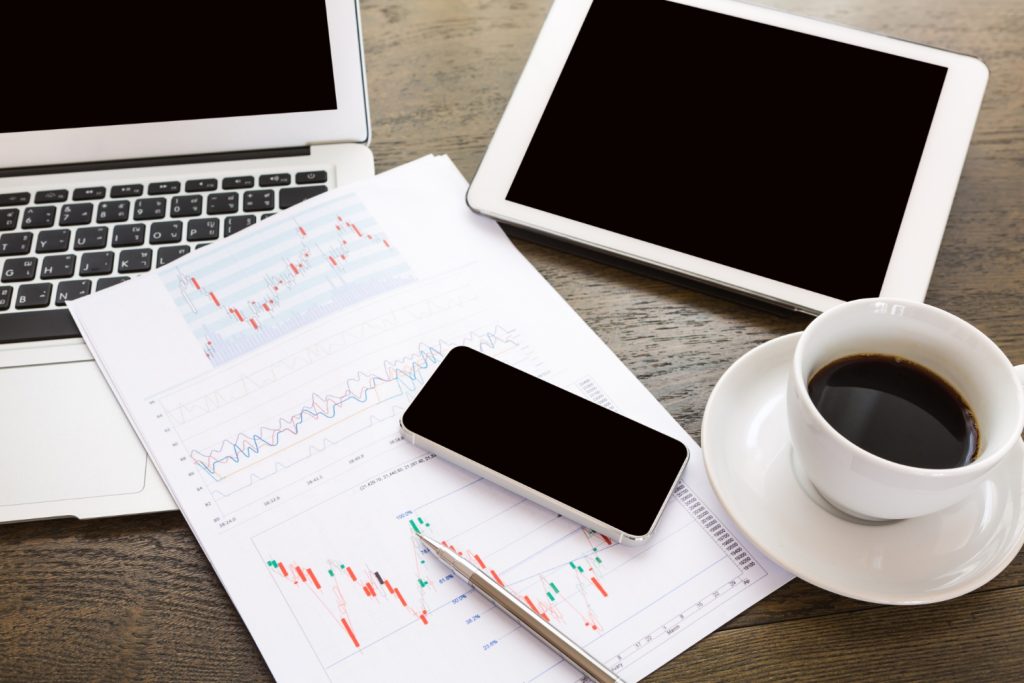
One widely used approach involves options trading. Certain option strategies are specifically designed to benefit from significant price movement regardless of market direction. Others seek profits when volatility decreases after major events. Understanding how option prices react to changes in volatility is essential before implementing these methods.
Volatility indices also serve as valuable indicators. These benchmarks measure expected market uncertainty and help traders evaluate overall investor sentiment. Rising readings often indicate increased fear or uncertainty, while declining levels may suggest greater market confidence.
Technical analysis remains an important component of volatility trading. Indicators such as average true range, Bollinger Bands, moving averages, volume analysis, and momentum oscillators help traders identify expanding or contracting price ranges. Combining multiple indicators often produces stronger confirmation than relying on a single signal.
Fundamental analysis should not be ignored. Economic calendars, earnings reports, employment statistics, inflation releases, and central bank decisions frequently trigger volatility spikes. Experienced traders monitor these events closely and prepare trading plans before announcements occur.
Risk management is perhaps the most important aspect of successful volatility trading. Rapid market movement increases both profit potential and potential losses. Professional traders typically determine maximum acceptable risk before entering any position. Position sizing, stop-loss orders, profit targets, and portfolio diversification help reduce unnecessary exposure.
Emotional discipline is equally important. Volatile markets can generate excitement, fear, and impulsive decision-making. Successful traders follow predefined trading plans rather than reacting emotionally to sudden market swings. Maintaining consistency often produces better long-term results than chasing every opportunity.
Algorithmic trading has become increasingly influential in 2026. Automated systems analyze vast amounts of market data, detect changing volatility patterns, and execute trades within fractions of a second. While automation improves speed and efficiency, human oversight remains essential because unexpected market events can produce conditions beyond historical patterns.
Continuous learning is another defining characteristic of successful volatility traders. Financial markets evolve constantly, requiring traders to update their strategies, review performance, and adapt to changing market environments. Regular analysis of completed trades helps identify strengths and weaknesses that can improve future decision-making.
Challenges, Opportunities, and the Future of Volatility Trading
Although volatility trading offers significant opportunities, it also presents substantial challenges. High market fluctuations can create attractive profit potential, but they can also lead to rapid losses when trades move unexpectedly. This dual nature requires careful preparation and realistic expectations.
One major challenge is accurately estimating future volatility. Markets sometimes remain calmer than expected despite important news, while unexpected events can produce dramatic price movements without warning. Predicting the magnitude of future volatility remains one of the most difficult aspects of financial trading.
Another challenge involves changing market conditions. Strategies that perform well during one economic environment may become less effective when interest rates, inflation trends, or investor sentiment change. Flexibility and ongoing evaluation are essential for maintaining consistent performance.
Transaction costs can also influence profitability. Frequent trading increases commissions, spreads, and slippage, particularly during highly volatile periods. Successful traders account for these costs when evaluating potential opportunities.
Despite these challenges, the long-term outlook for volatility trading appears strong. Artificial intelligence, machine learning, cloud computing, and advanced data analytics continue to improve forecasting capabilities. These technologies enable traders to analyze increasingly complex relationships between market variables.
Global financial integration also supports continued growth. Markets across different countries have become more interconnected, allowing volatility in one region to influence others rapidly. Traders who monitor multiple asset classes can identify opportunities created by these cross-market relationships.
Regulatory developments are expected to encourage greater transparency and improved market infrastructure. Better reporting systems, enhanced surveillance, and stronger investor protections may increase confidence among participants while reducing operational risks.
Educational institutions and financial organizations continue expanding programs focused on derivatives, options, and quantitative finance. As financial literacy improves, more investors are likely to understand both the benefits and risks associated with volatility-based strategies.
Sustainable investing may also influence volatility trading. Environmental policies, technological transitions, renewable energy investments, and evolving corporate governance standards can all generate market uncertainty. Traders who understand these broader economic trends may identify new volatility opportunities across different industries.
Conclusion
Volatility trading has become a preferred strategy in 2026 because modern financial markets are increasingly shaped by rapid information flow, technological innovation, and frequent economic uncertainty. Rather than avoiding unpredictable market conditions, traders are learning how to manage and potentially benefit from them through disciplined planning and advanced analytical techniques.
The growing availability of educational resources, sophisticated trading platforms, artificial intelligence, and real-time market data has made volatility trading more accessible than ever before. At the same time, increased accessibility does not eliminate the importance of knowledge, patience, and effective risk management. Successful traders recognize that volatility creates both opportunity and risk, requiring careful preparation before every trade.
As financial markets continue evolving, volatility is likely to remain a defining feature rather than a temporary trend. Investors who develop a strong understanding of market behavior, maintain emotional discipline, and adapt to changing conditions will be better positioned to navigate uncertain environments. While no trading strategy guarantees success, volatility trading has firmly established itself as an important component of modern investment practices, offering flexible opportunities for those willing to approach the markets with skill, responsibility, and continuous learning.