


Introduction
Rising gasoline and heating oil prices are creating new financial challenges for American families already struggling to manage the cost of everyday living. Energy is an essential part of modern life in the United States. Families depend on gasoline to travel to work, take children to school, purchase groceries, attend medical appointments, and fulfill other daily responsibilities. At the same time, millions of households rely on heating oil or other fuels to keep their homes comfortable during colder months. When energy prices increase, the effects extend far beyond gas stations and household heating bills, influencing transportation costs, food prices, business expenses, and overall consumer confidence.
For many Americans, higher energy costs arrive at a difficult time. Housing, groceries, insurance, healthcare, childcare, and other essential expenses already consume a substantial share of household budgets. Families with limited savings have little room to absorb another increase in monthly spending. Even households with relatively stable incomes may find themselves reconsidering vacations, postponing purchases, reducing entertainment expenses, or delaying home improvements to cover rising fuel bills.
The pressure is particularly significant for people who must drive long distances to earn a living. In many suburban and rural communities, public transportation is limited, making private vehicles a necessity rather than a luxury. Workers cannot always reduce their driving without risking their employment or losing access to important services. Similarly, households that heat their homes with oil may face substantial seasonal expenses that are difficult to avoid, especially when temperatures fall and heating demand increases.
Energy prices also affect the broader economy. Gasoline and heating oil are connected to international crude oil markets, refining capacity, transportation networks, seasonal demand, and geopolitical developments. Changes in any of these areas can influence the prices consumers ultimately pay. Although prices may rise or fall over time, sudden increases can disrupt household planning and make it harder for families to maintain financial stability.
The growing burden of fuel expenses highlights a wider economic concern: the difference between the cost of necessities and the amount of money households have available to spend. When essential expenses rise faster than incomes, families lose purchasing power. Understanding the causes of higher gasoline and heating oil prices, their effects on household finances, and the options available to consumers is essential to understanding the challenges facing American families.
Why Gasoline and Heating Oil Prices Are Rising
Gasoline and heating oil prices are influenced by several interconnected factors. One of the most important is the price of crude oil, which serves as the primary raw material for both fuels. Crude oil is traded in international markets, meaning domestic fuel prices can respond to developments occurring thousands of miles away. Political instability, production decisions, transportation disruptions, and changes in global consumption can all influence the cost of oil.
Geopolitical tensions can create uncertainty about whether oil-producing countries will continue supplying international markets without interruption. When traders anticipate that supplies could become more difficult to obtain, crude oil prices may rise. Even when a physical shortage has not occurred, concerns about future availability can influence market behavior. These changes may eventually reach American consumers through higher prices for gasoline and heating oil.
Decisions made by major oil-producing nations also play an important role. Production increases can help expand available supplies, while production cuts may tighten the market. The effects depend on global demand, inventories, transportation capacity, and the ability of other producers to increase output. Because energy markets operate internationally, the United States cannot completely isolate domestic consumers from worldwide price movements, even though it produces substantial quantities of oil.
Refining is another important part of the process. Crude oil must be processed into usable products before it reaches consumers. Refineries require maintenance, reliable equipment, suitable crude oil supplies, and efficient distribution systems. Unexpected outages or reduced operating capacity can limit the amount of gasoline and heating oil available in particular regions. When demand remains strong while supplies become less flexible, wholesale prices can increase.
Seasonal changes can also influence fuel costs. Gasoline demand often rises during periods of increased travel, while heating oil consumption generally increases when temperatures decline. Refineries may need to adjust production to meet seasonal fuel requirements, and regional differences in supply can create different price patterns across the country. Weather disruptions may further complicate production and transportation, especially when storms affect refineries, pipelines, ports, or delivery routes.
Taxes and distribution expenses contribute to the final price paid by consumers. Gasoline prices include federal, state, and sometimes local taxes, while transportation, storage, marketing, and retail operating costs also influence prices. Heating oil customers may face additional delivery charges or price differences depending on where they live and how accessible fuel suppliers are.
Inflation can make these pressures more difficult to manage. Higher labor costs, transportation expenses, equipment costs, and financing expenses can affect businesses throughout the energy supply chain. Not every increase in operating costs translates directly into a higher retail price, but these expenses can influence the final amount consumers pay.
The relationship between crude oil prices and household fuel costs is not always immediate. Retail prices may rise quickly when wholesale markets tighten, while declines in crude oil prices can take time to reach consumers. The timing varies according to local competition, inventories, distribution arrangements, and other market conditions.
For families, the precise cause of a price increase may matter less than its practical consequences. Whether the pressure originates in international markets, refinery operations, seasonal demand, or distribution costs, consumers must still find a way to pay for transportation and home heating. This makes energy affordability an important issue for household financial security.
The Financial Impact on American Families and the Wider Economy
Higher gasoline prices can quickly change a family’s monthly spending pattern. Consider a household that drives regularly for work, school, shopping, and other responsibilities. If fuel prices increase, the family must either spend more money to maintain its usual travel routine or reduce driving wherever possible. Neither option is necessarily easy, particularly when employment and family obligations require frequent trips.
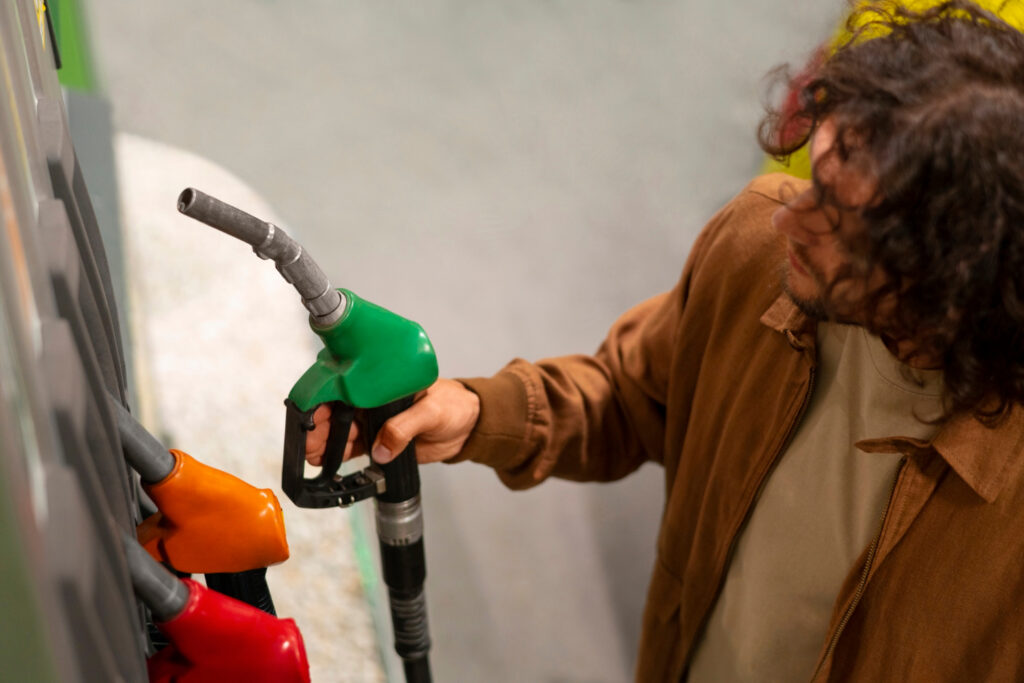
The burden can be especially heavy for workers who commute long distances. Employees in construction, healthcare, delivery services, maintenance, sales, and other occupations may need to travel regularly to reach workplaces or customer locations. Some workers also use their personal vehicles as part of their jobs. When fuel costs increase, their earnings may effectively decline unless employers provide sufficient reimbursement or wages rise enough to compensate.
Lower-income households are often more vulnerable because transportation represents a necessary expense rather than a discretionary purchase. A family with limited financial resources may already spend much of its income on rent, groceries, utilities, and debt payments. An additional fuel expense can force difficult decisions between competing needs. Even a relatively small increase may become significant when repeated every week.
Heating oil prices create another source of financial uncertainty, particularly in parts of the Northeast where oil-heated homes are common. During cold weather, families cannot always reduce heating consumption without making their homes uncomfortable or potentially unsafe. Older adults, young children, and people with certain medical needs may be especially affected by inadequate indoor temperatures.
Unlike some monthly bills, heating oil expenses can fluctuate with weather conditions and delivery requirements. A prolonged cold period may increase consumption, while a sudden price increase can make refilling a household tank more expensive. Families that cannot afford to purchase fuel in advance may have limited opportunities to benefit from lower prices when they occur.
Higher energy prices also affect households indirectly through the cost of goods and services. Trucks, delivery vehicles, agricultural machinery, and commercial fleets consume fuel. Businesses that transport food, clothing, construction materials, and other products may face higher operating expenses when diesel and other energy costs increase. Depending on market conditions, some of these expenses may eventually be passed on to customers.
Food prices can be affected by transportation and production costs. Farmers rely on fuel to operate equipment, while food processors, distributors, and retailers need energy to move and store products. Energy is only one component of food pricing, so rising fuel costs do not automatically produce an equivalent increase in grocery bills. Nevertheless, sustained increases can add pressure throughout the supply chain.
Small businesses may experience particular difficulties. A local contractor, restaurant owner, delivery company, or home-service provider might have limited ability to absorb higher fuel expenses. Raising prices could discourage customers, but keeping prices unchanged may reduce profit margins. Some businesses may respond by adjusting delivery fees, changing service areas, reducing travel, or delaying expansion.
Rising fuel costs can also affect the housing market indirectly. Families that spend more on transportation and utilities have less money available for savings, mortgage payments, repairs, and other housing expenses. Renters may face similar pressures when energy bills consume a larger share of their budgets. For households already struggling with high housing costs, this additional burden can make financial stability more difficult.
Consumer spending may weaken when families devote more income to essential energy purchases. Money that might otherwise support restaurants, entertainment, clothing stores, travel, and local businesses instead goes toward gasoline and home heating. If this pattern becomes widespread, businesses outside the energy sector may experience slower sales.
There can also be psychological consequences. Frequent changes in fuel prices make budgeting less predictable, while uncertainty about winter heating expenses can create anxiety for households with limited savings. Families may postpone important decisions because they cannot confidently estimate future costs.
The economic consequences depend on how long prices remain elevated, how sharply they increase, and whether household incomes rise at a similar pace. A temporary increase may be manageable for families with emergency savings. A prolonged period of high prices is more difficult because it steadily reduces the money available for other needs.
How Families Can Manage Higher Fuel Costs and What Policymakers Can Do
Although individual households cannot control global oil markets, practical adjustments can help reduce the financial impact of rising gasoline and heating oil prices. The most effective approach depends on commuting patterns, household size, vehicle efficiency, local weather, and the availability of transportation alternatives.
For drivers, planning trips carefully can reduce unnecessary fuel consumption. Combining grocery shopping, school pickups, appointments, and other errands into fewer journeys can help limit mileage. Avoiding unnecessary idling, maintaining appropriate tire pressure, following recommended vehicle maintenance schedules, and driving at moderate speeds can also improve fuel efficiency.
Carpooling may be useful for employees who live near colleagues or follow similar commuting schedules. Where practical, public transportation, cycling, or walking can reduce dependence on gasoline. Some employers may also offer flexible working arrangements that allow employees to work remotely on certain days. However, these options are not available to everyone, especially workers whose jobs require their physical presence.
Families can benefit from reviewing their monthly budgets when fuel prices increase. Separating essential expenses from optional purchases makes it easier to identify where savings may be possible. Households might temporarily reduce nonessential travel, compare insurance and service costs, or redirect discretionary spending toward fuel and utility bills.
It is also important to avoid measures that create larger financial problems later. Skipping necessary vehicle maintenance can reduce safety and lead to more expensive repairs. Delaying essential medical appointments or cutting heating to unsafe levels can carry serious consequences. Cost-saving efforts should focus on efficiency and planning rather than sacrificing basic health and safety.
Households that use heating oil can consider several measures to improve energy efficiency. Sealing drafts around windows and doors, insulating accessible areas, maintaining heating equipment, and using a programmable thermostat where appropriate can reduce unnecessary heat loss. Keeping heating systems properly serviced may also improve performance and reliability.
Consumers may wish to compare heating oil suppliers and understand the terms of available purchasing arrangements. Some suppliers offer scheduled deliveries, fixed-price contracts, or budget payment plans. These options can make expenses more predictable, but they involve different conditions and potential risks. A fixed-price agreement, for example, may protect against certain price increases but may prevent customers from benefiting fully if market prices decline. Consumers should review contract terms, fees, cancellation rules, and supplier reliability before committing.
Assistance programs can be important for families facing severe heating expenses. In the United States, the Low Income Home Energy Assistance Program, commonly known as LIHEAP, helps eligible households with certain energy costs. Availability, eligibility requirements, application periods, and benefit amounts vary by state and local program. Families experiencing difficulty paying heating bills can contact their state energy assistance agency or local community service organizations to learn what support is available.
Utility companies and local governments may also provide payment arrangements, emergency assistance, weatherization services, or referrals to nonprofit organizations. Households should seek help early when possible, because waiting until fuel supplies are nearly exhausted or bills become seriously overdue may limit their available options.
Policymakers have a broader responsibility to address the structural factors affecting energy affordability. Improving domestic energy infrastructure can help reduce disruptions, although it cannot eliminate the influence of international markets. Investments in reliable transportation systems, efficient fuel distribution, and resilient energy infrastructure may reduce certain vulnerabilities over time.
Greater access to public transportation can help households reduce their dependence on private vehicles. Reliable buses, commuter rail services, and regional transit connections can be particularly valuable for workers who otherwise have few alternatives to driving. These improvements require sustained investment and careful planning to ensure that services reach the communities that need them.
Energy efficiency programs can also reduce household exposure to volatile fuel prices. Weatherization assistance, home insulation improvements, efficient heating systems, and technical support can lower energy consumption. Financial assistance may be necessary to help lower-income households afford upgrades that produce savings over several years.
Targeted financial relief may provide additional support during periods of unusually high energy costs. Depending on economic conditions, governments may consider heating assistance, emergency grants, temporary benefits, or other forms of targeted aid. Such measures need appropriate funding and clear eligibility standards to ensure that assistance reaches households facing the greatest hardship.
Policymakers must also consider the possible disadvantages of broad fuel subsidies or tax reductions. Although these policies can lower costs at the point of purchase, they may place pressure on public budgets, provide benefits to households that do not need assistance, or weaken incentives to conserve energy. The effectiveness of any policy depends on its design, duration, fiscal cost, and the circumstances in which it is introduced.
Ultimately, a combination of household planning, targeted assistance, infrastructure improvements, and long-term efficiency measures can offer a more balanced response than relying on any single solution.
Conclusion
Rising gasoline and heating oil prices are putting additional pressure on American families by increasing the cost of transportation, home heating, and many goods and services. For households already dealing with expensive housing, groceries, insurance, healthcare, and other necessities, higher fuel bills can leave little room for unexpected expenses or long-term savings. The effects are particularly difficult for people who depend on their vehicles to earn a living and families that require heating oil to keep their homes warm during winter.
These pressures extend beyond individual budgets. Businesses face higher transportation and operating costs, consumers may reduce discretionary spending, and communities can experience weaker economic activity when households devote more of their incomes to essential energy needs. The extent of the impact depends on the scale and duration of price increases, regional conditions, and the ability of families and businesses to absorb additional expenses.
Energy prices are shaped by international oil markets, production decisions, refinery operations, seasonal demand, distribution costs, and other factors. Because these influences are complex, no single policy or household adjustment can guarantee affordable fuel under every market condition. However, practical measures such as reducing unnecessary driving, improving home energy efficiency, comparing suppliers, and seeking available assistance can help families manage costs.
Government action also has an important role. Carefully targeted heating assistance, improved public transportation, stronger energy infrastructure, and investments in efficient homes can reduce some of the risks associated with volatile energy prices. These policies must be designed with attention to affordability, economic consequences, and the needs of vulnerable households.
The central challenge is ensuring that essential energy remains accessible without forcing families to sacrifice other basic necessities. Gasoline allows millions of Americans to participate in the workforce and maintain their daily responsibilities, while reliable home heating protects comfort and safety during colder weather. When the cost of these essentials rises sharply, household financial security becomes more fragile.
Addressing the problem requires both immediate support and long-term planning. Families need practical ways to manage current expenses, while policymakers and communities must work toward systems that make transportation and home energy more affordable and reliable. By combining responsible household decisions with effective public policies, the United States can help reduce the burden of rising fuel costs and strengthen the financial resilience of American families.