


Introduction
ATM cards and debit cards have become essential tools in modern financial life. Millions of people use them every day to withdraw cash, pay for groceries, shop online, book hotels, purchase airline tickets, and manage other routine expenses. The convenience is undeniable, but that convenience also creates opportunities for financial criminals. When ATM card information is stolen, the consequences can extend far beyond a single unauthorized transaction.
Many cardholders assume that a criminal needs to physically possess their ATM card before money can be stolen. In reality, criminals may only need specific pieces of card information. Depending on the type of fraud they intend to commit, stolen data such as the card number, expiration date, security code, or PIN may be enough to attempt unauthorized purchases or withdrawals. Criminals use several techniques to obtain this information, including phishing messages, fake websites, data breaches, card skimming devices, malicious software, and social engineering.
The situation becomes particularly dangerous when the victim does not immediately notice that their card details have been compromised. Criminals often try to take advantage of the time between the theft of the information and the cardholder’s discovery of suspicious activity. During this period, they may test the stolen card data, attempt multiple transactions, or share the information with other criminals.
Understanding what happens after ATM card information is stolen can help consumers respond more effectively. Quick action may reduce financial losses, prevent additional transactions, and make the recovery process easier. It is equally important to understand how financial institutions detect suspicious behavior, how criminals attempt to use stolen information, and what practical steps consumers can take to protect themselves.
How Criminals Steal ATM Card Information and What They Do With It
ATM card information can be stolen in several different ways. One of the most widely known methods involves card skimming. A skimming device may be secretly installed on or near an ATM or payment terminal. When a customer inserts or swipes a card, the device attempts to capture information stored on the card. Criminals may also use hidden cameras or fake keypads to obtain a customer’s PIN.
Phishing is another common technique. A criminal may send a text message, email, or social media message pretending to represent a bank or another trusted organization. The message may claim that the customer’s account has been temporarily blocked, that a suspicious transaction has occurred, or that immediate identity verification is required.
The victim is then directed to a fraudulent website designed to resemble a legitimate banking page. Information entered on that website may be collected by criminals. In some cases, victims are asked to provide their card number, expiration date, PIN, security code, online banking credentials, or a one-time verification code.
Criminals also use social engineering over the phone. Someone may call a cardholder and claim to work for a bank’s fraud department. The caller might already know basic information about the victim, making the conversation appear convincing. The criminal may then request additional card details or security codes under the false claim that the information is necessary to stop an unauthorized transaction.
Large-scale data breaches can expose payment information belonging to thousands or even millions of customers. When a company’s systems are compromised, criminals may obtain stored payment data and other personal information. This stolen information may later be sold, exchanged, or used for fraudulent activities.
Once criminals obtain ATM card information, they may not immediately attempt a large transaction. A small purchase may be used first to determine whether the card is active. If the transaction succeeds, additional attempts may follow.
This strategy can make fraud more difficult for consumers to notice. A small unfamiliar charge may be ignored or mistaken for a forgotten purchase. Meanwhile, criminals may continue attempting additional transactions.
Stolen card information may also be sold through illegal online marketplaces. The person who originally obtained the data may not be the same person who eventually attempts to use it. Stolen information can move between multiple individuals, increasing the complexity of fraud investigations.
The amount of damage criminals can cause depends on the information they possess. A card number and expiration date may allow certain types of online transaction attempts. Additional information, such as the security code or billing details, may make the stolen data more useful. If criminals also obtain the PIN, the risk of unauthorized cash withdrawal may increase.
The physical ATM card is therefore only one part of the security problem. Protecting card information, account credentials, verification codes, and personal details is equally important.
What Happens to Your Bank Account After the Information Is Stolen
The immediate consequences of stolen ATM card information depend on whether criminals successfully use the data. Sometimes card information is compromised without any unauthorized transaction occurring. In other situations, fraudulent activity begins quickly.
One of the first things that may happen is a transaction attempt. Criminals may try to purchase products online, pay for digital services, or make other card-not-present transactions. If they possess sufficient information, they may attempt additional forms of fraud.
Modern banking systems use various security measures to identify potentially suspicious activity. A transaction that differs significantly from the cardholder’s usual behavior may receive additional scrutiny. For example, unusual transaction amounts, rapid purchases, unexpected locations, or multiple unsuccessful payment attempts may trigger security systems.
A bank may decline a suspicious transaction, temporarily restrict the card, or contact the customer for verification. However, consumers should not assume that every fraudulent transaction will automatically be detected. No security system can guarantee that all unauthorized activity will be prevented.
If a fraudulent transaction is successfully completed, money may be removed from the customer’s account or placed on hold, depending on the transaction type. This can create immediate financial difficulties.
A person may discover that money intended for rent, bills, groceries, or other expenses is temporarily unavailable. Automatic payments could fail if the account balance has been reduced by unauthorized transactions. The customer may also face inconvenience while waiting for the matter to be investigated.
After discovering suspicious activity, the cardholder generally needs to contact the card issuer or financial institution as quickly as possible. The compromised card may be blocked or canceled to prevent additional use. A replacement card may then be issued with new card details.
The customer may also be asked to review recent transactions and identify which ones were unauthorized. Depending on the institution and circumstances, a fraud claim or dispute process may begin.
The investigation process can involve reviewing transaction records, security information, merchant details, ATM activity, and other available evidence. The amount of time required to resolve a case varies according to the nature and complexity of the fraud.
The victim should continue monitoring the account even after the compromised card has been canceled. If criminals obtained additional personal or banking information, replacing the card alone may not eliminate every potential risk.
For example, if online banking credentials were also compromised, the customer may need to change passwords and review account security settings. If an email account connected to banking services was compromised, securing that email account may also be necessary.
Another important issue is recurring payments. When an ATM or debit card is replaced, subscriptions and other services connected to the previous card may need to be updated. Consumers should review legitimate automatic payments to prevent interruptions.
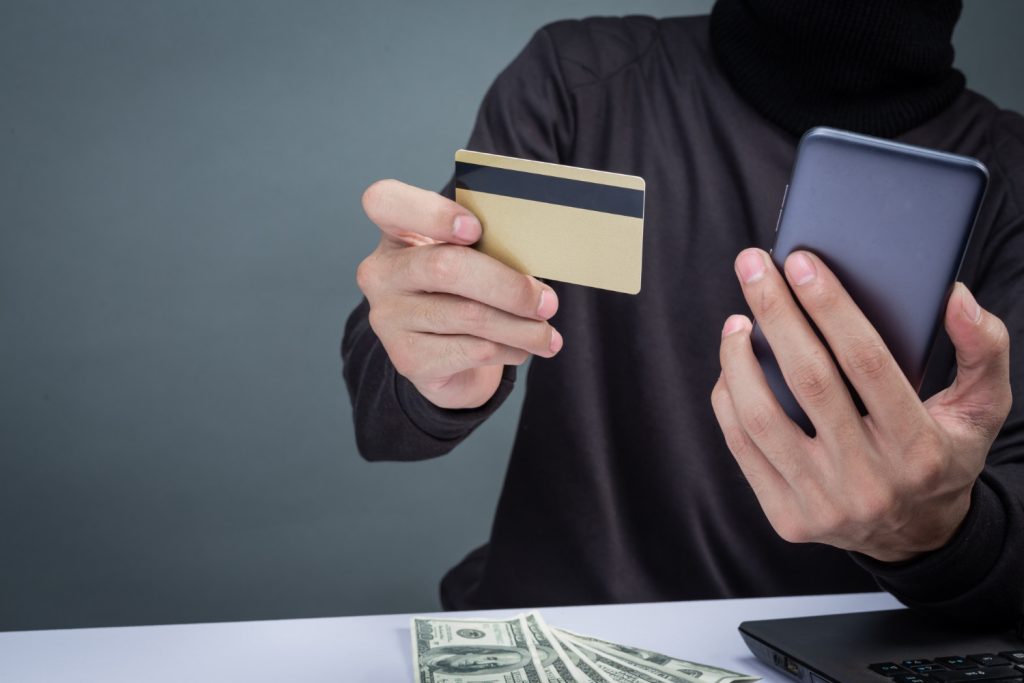
The experience can also create significant stress. Victims may worry about recovering their money, paying upcoming bills, or determining how their information was stolen. Clear documentation and prompt communication with the financial institution can make the process more manageable.
What You Should Do Immediately and How to Prevent Future ATM Card Fraud
Speed is extremely important after discovering that ATM card information may have been stolen. Ignoring a suspicious transaction or waiting several days before checking the account can allow additional fraudulent activity to occur.
The first priority should be preventing further use of the compromised card. The cardholder should use official banking channels to lock, freeze, or report the card, depending on the options offered by the financial institution.
It is important to contact the bank using trusted contact information. Consumers should avoid calling phone numbers included in suspicious text messages or emails. Instead, they can use the official banking application, the number printed on the card, or other verified communication channels.
After securing the card, the customer should carefully examine recent account activity. Every unfamiliar transaction should be documented. Screenshots, transaction dates, amounts, merchant information, and communication records may be useful during the dispute process.
The cardholder should then follow the financial institution’s instructions for reporting unauthorized transactions. The specific process may vary, so customers should carefully review the requirements provided by their bank or card issuer.
Changing passwords is another important security measure, particularly if there is any possibility that online banking credentials were compromised. New passwords should be strong and unique. Reusing the same password across multiple websites can increase the risk because a security breach affecting one service may expose other accounts.
Consumers should also protect one-time passwords and verification codes. A legitimate security code should never be casually shared with an unknown caller or entered into an untrusted website. Criminals frequently create urgent situations to pressure victims into acting without thinking.
ATM users should examine machines before inserting their cards. An unusual card slot, loose component, suspicious keypad cover, or unexpected attachment may indicate tampering. If anything appears unusual, using another machine is the safer choice.
Covering the keypad while entering a PIN can provide additional protection against hidden cameras and people attempting to observe the code. Customers should also avoid accepting unnecessary assistance from strangers while using an ATM.
Transaction alerts can be extremely useful. When notifications are enabled, the cardholder may receive information shortly after purchases or withdrawals occur. Faster awareness can lead to faster reporting.
Regular account monitoring is equally important. Consumers should not rely entirely on monthly statements. Checking account activity frequently can help identify suspicious transactions sooner.
Online shopping requires additional caution. Card information should only be entered on trusted websites. Unexpected links sent through email, text messages, or social media should be treated carefully, especially when they create urgency or request financial information.
Public Wi-Fi networks can also introduce security concerns. Consumers should be cautious when accessing sensitive financial accounts through unsecured networks.
Another important habit is keeping contact information updated with the financial institution. If the bank detects suspicious activity, outdated phone numbers or email addresses can make it more difficult to contact the customer quickly.
Cardholders should also understand that fraud prevention is an ongoing process. A replacement card does not guarantee permanent protection. Criminal techniques continue to evolve, and consumers need to maintain good security habits.
Using account alerts, checking statements, protecting passwords, securing personal devices, avoiding suspicious links, and reporting unusual activity promptly can significantly reduce exposure to financial fraud.
Consumers should also be skeptical of unexpected communication claiming that immediate action is necessary. Criminals frequently use fear and urgency to manipulate victims. Messages stating that an account will be closed, a card has been blocked, or money will be lost unless immediate action is taken should always be independently verified through official channels.
If a person believes that more than card information has been exposed, additional protective actions may be appropriate. They should review other financial accounts, secure important online profiles, and watch for unusual activity.
Ultimately, preventing ATM card fraud requires both technology and personal awareness. Banks and payment networks invest heavily in security systems, but consumers also play an important role in identifying suspicious activity and protecting sensitive information.
Conclusion
The theft of ATM card information can lead to unauthorized transactions, financial disruption, account security problems, and a stressful recovery process. The seriousness of the situation depends on what information criminals obtain, how quickly they attempt to use it, and how rapidly the cardholder responds.
Criminals can steal card information through skimming devices, phishing websites, fraudulent phone calls, malicious software, data breaches, and other techniques. After obtaining the information, they may test the card with small transactions, attempt larger purchases, try to access cash, or sell the stolen data to other criminals.
Financial institutions use security technology to detect unusual transactions, but automated fraud detection is not perfect. Consumers should actively monitor their accounts and respond quickly to unfamiliar activity.
When card information is believed to be compromised, the most important actions include securing the card, contacting the financial institution through verified channels, reviewing account activity, documenting suspicious transactions, changing affected passwords, and following the bank’s fraud-reporting procedures.
Prevention remains one of the strongest forms of protection. Consumers can reduce their risk by examining ATMs before use, protecting their PIN, avoiding suspicious links, refusing to share verification codes, using strong passwords, enabling transaction alerts, and regularly reviewing their accounts.
ATM card fraud continues to evolve as criminals adopt new technologies and methods. However, awareness and quick action can make a significant difference. Understanding what happens when ATM card information is stolen gives consumers the knowledge needed to recognize warning signs, respond effectively, and build stronger financial security habits for the future.