


Introduction
Women-owned businesses have steadily transformed from a small, overlooked segment of the economy into a powerful force shaping innovation, employment, and economic resilience. Across industries—from retail and services to technology and manufacturing—women entrepreneurs are building enterprises that contribute significantly to GDP and community development. However, for decades, one of the most persistent challenges they faced was limited access to financing. Structural biases, lack of collateral, smaller networks, and limited financial literacy resources often restricted their growth potential.
In recent years, this narrative has begun to shift. Financial institutions, governments, and private lenders are increasingly recognizing both the economic potential and the untapped market represented by women entrepreneurs. As a result, women-owned businesses are now gaining better access to loans, credit facilities, and funding opportunities than ever before. This improvement is not accidental; it is driven by targeted policies, inclusive financial products, digital innovation, and changing societal attitudes toward women in business.
This article explores how women-owned businesses are experiencing improved loan access, what factors are driving this change, the challenges that still remain, and what the future holds for female entrepreneurship in the global financial landscape.
Evolution of Financing for Women Entrepreneurs
Historically, women entrepreneurs encountered multiple barriers when attempting to secure business loans. Traditional lending systems were often designed around rigid criteria that unintentionally disadvantaged women. For example, lenders frequently prioritized applicants with long credit histories, large collateral assets, and established business track records—criteria that many women, especially first-time entrepreneurs, struggled to meet.
In addition, cultural norms in many regions limited women’s participation in formal financial systems. Property ownership, which is commonly used as collateral, was often held in the name of male family members. This made it difficult for women to present the security required for loans. Even when women met the formal requirements, implicit biases sometimes led to stricter scrutiny or lower approval rates.
Over time, awareness of these inequities began to grow. Research consistently showed that women-owned businesses tend to have strong repayment records and demonstrate prudent financial management. These findings challenged outdated assumptions and encouraged financial institutions to reconsider their lending practices.
The evolution of financing for women entrepreneurs has been marked by several key developments. Microfinance initiatives played a significant role in the early stages by providing small loans to women who lacked access to traditional banking. These programs not only offered capital but also built confidence and financial literacy among women.
As the success of microfinance became evident, larger financial institutions began to expand their offerings. Specialized loan programs tailored to women entrepreneurs started to emerge, often featuring lower collateral requirements, flexible repayment terms, and mentorship support. Governments also stepped in by introducing credit guarantee schemes, subsidies, and policy reforms aimed at reducing gender gaps in access to finance.
Today, the financing landscape for women-owned businesses is far more inclusive than it was even a decade ago. While challenges remain, the progress made reflects a broader shift toward recognizing women as key contributors to economic growth.
Factors Driving Improved Loan Access
Several interconnected factors are contributing to the improved access to loans for women-owned businesses. One of the most significant drivers is the increasing recognition of women entrepreneurs as a viable and valuable market segment. Financial institutions have realized that supporting women-led enterprises is not just a matter of social responsibility but also a sound business decision.
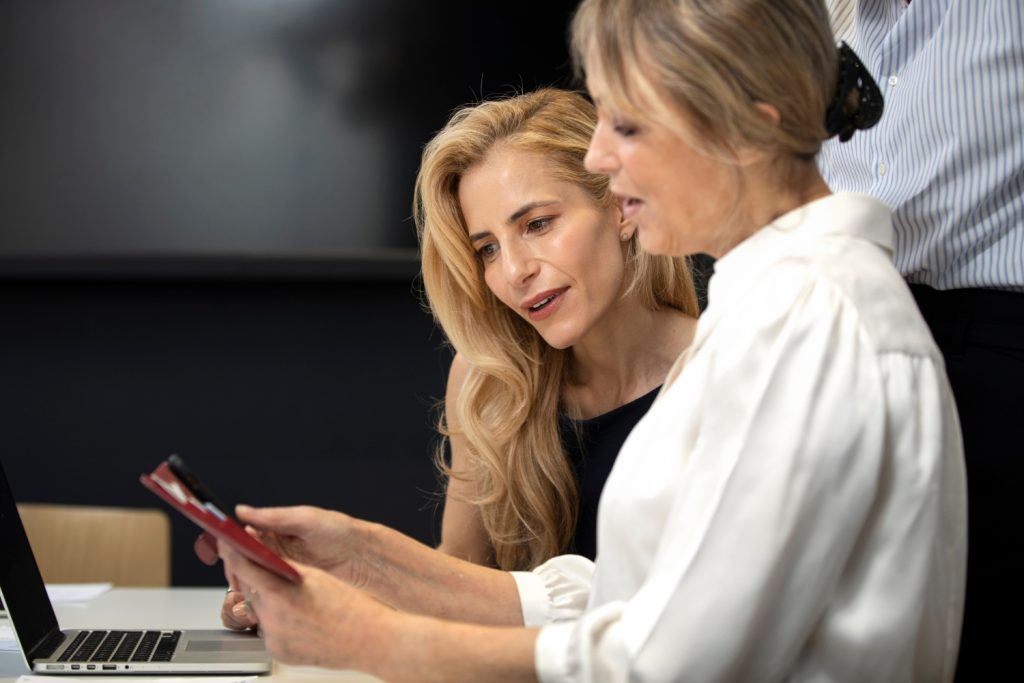
Digital transformation has played a crucial role in expanding access to finance. Online lending platforms and fintech solutions have simplified the loan application process, reduced reliance on physical documentation, and enabled faster approvals. These platforms often use alternative data—such as transaction histories, digital payments, and business performance metrics—to assess creditworthiness. This approach benefits women entrepreneurs who may lack traditional credit histories but have strong business fundamentals.
Government initiatives have also been instrumental in bridging the financing gap. Many countries have introduced schemes specifically designed to support women entrepreneurs. These initiatives often include lower interest rates, reduced collateral requirements, and training programs that enhance financial literacy and business skills. By reducing risk for lenders, such policies encourage greater participation in lending to women-owned businesses.
Another important factor is the growing ecosystem of support organizations, including non-profits, incubators, and mentorship networks. These organizations provide guidance on preparing loan applications, managing finances, and scaling businesses. Access to such resources increases the likelihood of loan approval and successful utilization of funds.
Changing societal attitudes have further contributed to improved loan access. As more women enter the workforce and pursue entrepreneurship, perceptions about women’s capabilities in business are evolving. Success stories of women entrepreneurs have inspired confidence among lenders and investors, creating a positive feedback loop that encourages further support.
Additionally, financial institutions are increasingly adopting gender-lens investing strategies. This approach involves intentionally directing capital toward women-led businesses and enterprises that benefit women. Such strategies not only promote equality but also generate competitive returns, reinforcing the case for inclusive financing.
The combination of these factors has created a more favorable environment for women entrepreneurs seeking loans. While progress varies across regions, the overall trend points toward greater inclusivity and opportunity.
Remaining Challenges and Opportunities
Despite significant progress, women-owned businesses still face several challenges in accessing loans. One of the primary issues is the persistence of informal biases within lending systems. Even with improved policies, unconscious bias can influence decision-making processes, leading to disparities in loan approvals or terms.
Another challenge is the gap in financial literacy and awareness. Many women entrepreneurs, particularly in rural or underserved areas, may not be fully aware of the financing options available to them. They may also lack the skills needed to navigate complex application procedures, prepare financial statements, or negotiate loan terms.
Collateral requirements, although reduced in some programs, continue to pose a barrier. Women are still less likely to own property or assets that can be used as security for loans. This limits their ability to access larger amounts of capital needed for business expansion.
Access to networks and mentorship also remains uneven. Strong professional networks can significantly enhance an entrepreneur’s chances of securing funding by providing referrals, guidance, and credibility. Women often have fewer opportunities to build such networks, particularly in male-dominated industries.
Geographical disparities further complicate the situation. Urban areas tend to have better access to financial institutions, digital infrastructure, and support programs. In contrast, women entrepreneurs in rural regions may face limited availability of banking services and technological resources.
However, these challenges also present opportunities for innovation and improvement. Financial institutions can continue to refine their lending models by incorporating more inclusive criteria and leveraging technology to reach underserved populations. Expanding digital literacy programs can empower women to access online financial services and manage their businesses more effectively.
Collaborations between governments, private sector players, and non-profit organizations can amplify impact. For example, combining financial support with training and mentorship can significantly improve business outcomes. Tailored financial products that address the specific needs of women entrepreneurs—such as flexible repayment schedules aligned with business cycles—can further enhance accessibility.
Investing in data collection and research is another important opportunity. By understanding the unique challenges and strengths of women-owned businesses, stakeholders can design more effective policies and programs. Transparency and accountability in lending practices can also help ensure that progress is sustained.
Ultimately, addressing these challenges requires a holistic approach that goes beyond providing loans. It involves creating an ecosystem that supports women entrepreneurs at every stage of their journey, from idea generation to business expansion.
Conclusion
The improvement in loan access for women-owned businesses marks a significant step toward greater economic inclusion and equality. What was once a landscape characterized by barriers and limitations is gradually transforming into one of opportunity and empowerment. Through a combination of policy reforms, technological advancements, and changing societal attitudes, women entrepreneurs are gaining the financial support they need to grow and succeed.
This progress is not only beneficial for individual entrepreneurs but also for the broader economy. Women-owned businesses contribute to job creation, innovation, and community development. By ensuring that these businesses have access to adequate financing, societies can unlock a vast reservoir of untapped potential.
However, the journey is far from complete. Persistent challenges such as bias, limited collateral, and uneven access to resources must be addressed to ensure that progress is inclusive and sustainable. Continued collaboration among stakeholders, along with a commitment to innovation and equity, will be essential in overcoming these obstacles.
Looking ahead, the future of women-owned businesses appears promising. As financial systems become more inclusive and supportive, women entrepreneurs will have greater opportunities to thrive and make meaningful contributions to the global economy. By building on the progress achieved so far and addressing the remaining gaps, we can move closer to a world where access to finance is determined by potential and capability, rather than gender.
In this evolving landscape, empowering women entrepreneurs is not just a matter of fairness—it is a strategic imperative for sustainable economic growth and development.