


Introduction
The prospect of rising unemployment in the United Kingdom has become a growing concern as the country navigates a period of economic slowdown. After years of recovery following earlier crises, the UK economy is once again facing a combination of domestic and global pressures that are beginning to weigh heavily on businesses, households, and the labor market. While employment levels had shown resilience in recent times, emerging indicators suggest that this strength may not hold indefinitely. Instead, a gradual increase in joblessness appears increasingly likely as economic growth softens, investment slows, and consumer demand weakens.
Unemployment is more than just a statistic; it reflects the overall health of an economy and directly impacts the well-being of millions of individuals and families. A rising unemployment rate can signal deeper structural issues, such as declining productivity, reduced business confidence, or mismatches between skills and job opportunities. In the current environment, the UK faces a complex mix of challenges, including inflationary pressures, tighter monetary policies, reduced global trade momentum, and lingering uncertainties in key industries.
This discussion explores why unemployment in the UK is expected to rise, the factors contributing to this trend, the sectors most at risk, and the broader implications for society and economic stability. It also examines how policymakers and businesses might respond to mitigate the impact of these changes.
Economic Slowdown and Its Impact on Employment
The relationship between economic growth and employment is closely intertwined. When an economy expands, businesses typically increase production, invest in new projects, and hire more workers. Conversely, when growth slows, companies often scale back operations, delay investments, and reduce hiring. In more severe cases, they may resort to layoffs to cut costs and preserve financial stability.
The UK economy has been experiencing a noticeable deceleration in growth. Several factors have contributed to this slowdown, including weaker consumer spending, higher borrowing costs, and subdued business investment. As households face rising living expenses, their purchasing power declines, leading to reduced demand for goods and services. This decline in demand directly affects businesses, particularly those in retail, hospitality, and manufacturing, which rely heavily on consumer spending.
Higher interest rates have also played a significant role. As the central bank attempts to control inflation, borrowing becomes more expensive for both businesses and consumers. Companies that rely on loans for expansion or day-to-day operations may find it more difficult to sustain their activities, leading to hiring freezes or workforce reductions. At the same time, consumers are less likely to take out loans for large purchases, further dampening economic activity.
Another contributing factor is the uncertainty surrounding global economic conditions. Slower growth in major trading partners reduces export demand, affecting UK industries that depend on international markets. This creates a ripple effect, as reduced exports lead to lower production levels and, ultimately, fewer jobs.
Together, these elements create an environment in which businesses become cautious. Instead of expanding their workforce, they prioritize efficiency and cost control. This shift inevitably leads to a rise in unemployment, even if the increase occurs gradually rather than suddenly.
Key Factors Driving Rising Unemployment
Several underlying factors are expected to drive the anticipated increase in unemployment in the UK. While the economic slowdown is the overarching cause, specific dynamics within the economy amplify its effects.
One major factor is inflation. Although inflation may be easing compared to previous peaks, it remains relatively high, putting pressure on both households and businesses. For households, higher prices reduce disposable income, limiting consumption. For businesses, increased costs for raw materials, energy, and wages squeeze profit margins. To cope, companies may cut costs by reducing their workforce or limiting hiring.
Another critical factor is structural change within the labor market. Advances in technology and automation continue to reshape industries, leading to job displacement in certain sectors. While new opportunities may emerge in technology-driven fields, the transition is not always smooth. Workers whose skills do not align with new demands may find it difficult to secure employment, contributing to higher unemployment levels.
Brexit-related adjustments also continue to influence the labor market. Changes in trade relationships, regulatory frameworks, and labor mobility have introduced new complexities for businesses. Some industries have faced challenges in accessing skilled labor, while others have struggled with increased costs and reduced competitiveness. These factors can lead to restructuring and job losses in affected sectors.
Additionally, public sector constraints play a role. Government budgets are under pressure due to rising debt levels and the need to manage public spending carefully. This limits the ability of the public sector to create jobs or support employment programs, further contributing to the risk of rising unemployment.
Finally, business confidence remains fragile. When companies are uncertain about future economic conditions, they are less likely to invest or expand their workforce. This cautious approach can slow job creation and, in some cases, lead to layoffs.
Sectoral Impacts and Regional Variations
The impact of rising unemployment is unlikely to be evenly distributed across all sectors and regions. Certain industries are more vulnerable to economic downturns and structural changes, making them more susceptible to job losses.
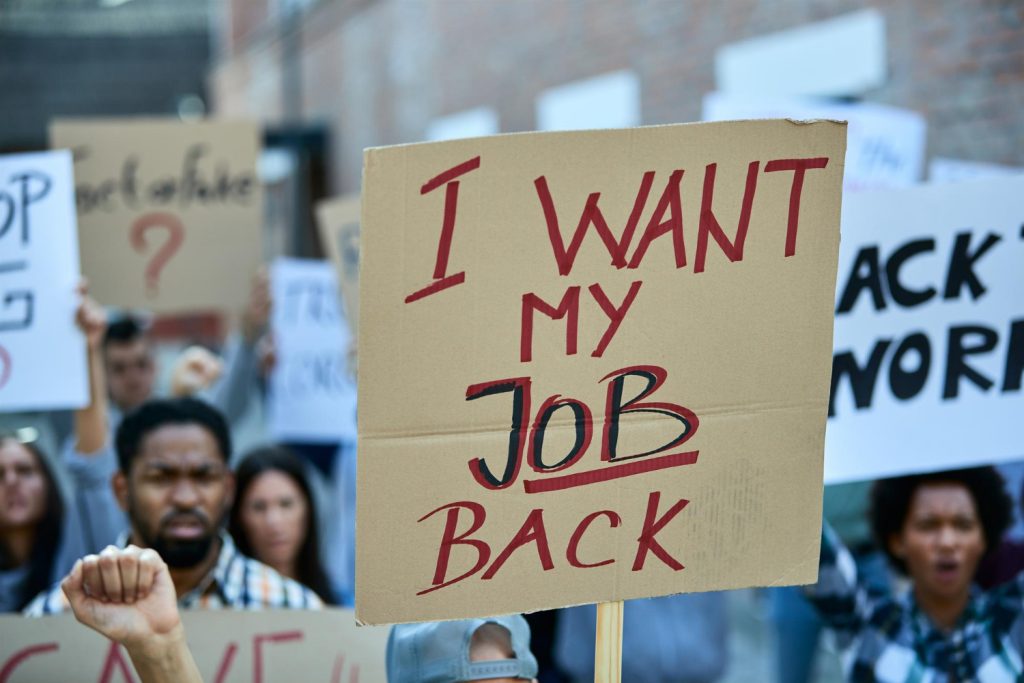
The retail sector is particularly at risk. As consumer spending declines, retailers may experience reduced sales, leading to store closures and workforce reductions. The shift toward online shopping has already transformed the retail landscape, and economic pressures may accelerate this trend, further affecting traditional brick-and-mortar stores.
Manufacturing is another sector facing challenges. Reduced global demand, higher production costs, and supply chain disruptions can lead to lower output and job cuts. Industries that rely heavily on exports are especially vulnerable to changes in international trade conditions.
The hospitality and leisure sector, which was heavily impacted by previous crises, may also face renewed difficulties. As households tighten their budgets, discretionary spending on dining, travel, and entertainment often declines, affecting businesses in this sector and potentially leading to layoffs.
In contrast, some sectors may show greater resilience. For example, healthcare and certain technology-related fields may continue to experience demand for workers, even during economic slowdowns. However, these sectors may not be able to absorb all displaced workers, particularly those without relevant skills or experience.
Regional variations are also significant. Areas with economies heavily dependent on a single industry may be more vulnerable to job losses if that industry declines. Conversely, regions with more diversified economies may be better able to withstand economic shocks. Differences in infrastructure, investment, and access to education and training further influence how regions are affected.
Policy Responses and Potential Solutions
Addressing rising unemployment requires a coordinated effort from policymakers, businesses, and educational institutions. While it may not be possible to prevent an increase in unemployment entirely, targeted measures can help mitigate its impact and support affected workers.
One key approach is investing in skills development and retraining programs. As the labor market evolves, workers need opportunities to acquire new skills that align with emerging industries. Government-funded training initiatives and partnerships with businesses can help bridge the gap between existing skills and future job requirements.
Support for businesses is also crucial. Policies that encourage investment, innovation, and entrepreneurship can help stimulate job creation. This may include tax incentives, grants, or access to affordable financing, particularly for small and medium-sized enterprises.
Social safety nets play an important role in supporting individuals who lose their jobs. Unemployment benefits, job placement services, and career counseling can help workers navigate periods of joblessness and transition to new employment opportunities.
Monetary and fiscal policies must also strike a balance between controlling inflation and supporting economic growth. While higher interest rates may be necessary to manage inflation, policymakers need to consider their impact on employment and economic activity.
Finally, regional development strategies can help address disparities in employment opportunities. Investments in infrastructure, education, and local industries can create jobs and support economic resilience in vulnerable areas.
Conclusion
The expectation of rising unemployment in the UK reflects a broader shift in the economic landscape as the country faces a period of slower growth and heightened uncertainty. While the labor market has demonstrated resilience in the past, current conditions suggest that maintaining low unemployment levels will be increasingly challenging.
A combination of factors, including reduced consumer demand, higher borrowing costs, structural changes, and global economic pressures, is contributing to this trend. The impact is likely to vary across sectors and regions, with some industries and communities more affected than others.
However, rising unemployment is not an inevitable outcome without solutions. Through proactive policy measures, investment in skills and innovation, and support for businesses and workers, it is possible to mitigate the effects of economic slowdown and create a more adaptable and resilient labor market.
Ultimately, the challenge lies in navigating this period of transition while ensuring that opportunities are created for those affected. By addressing both immediate concerns and long-term structural issues, the UK can work toward a more stable and inclusive economic future, even in the face of uncertainty.