

Introduction
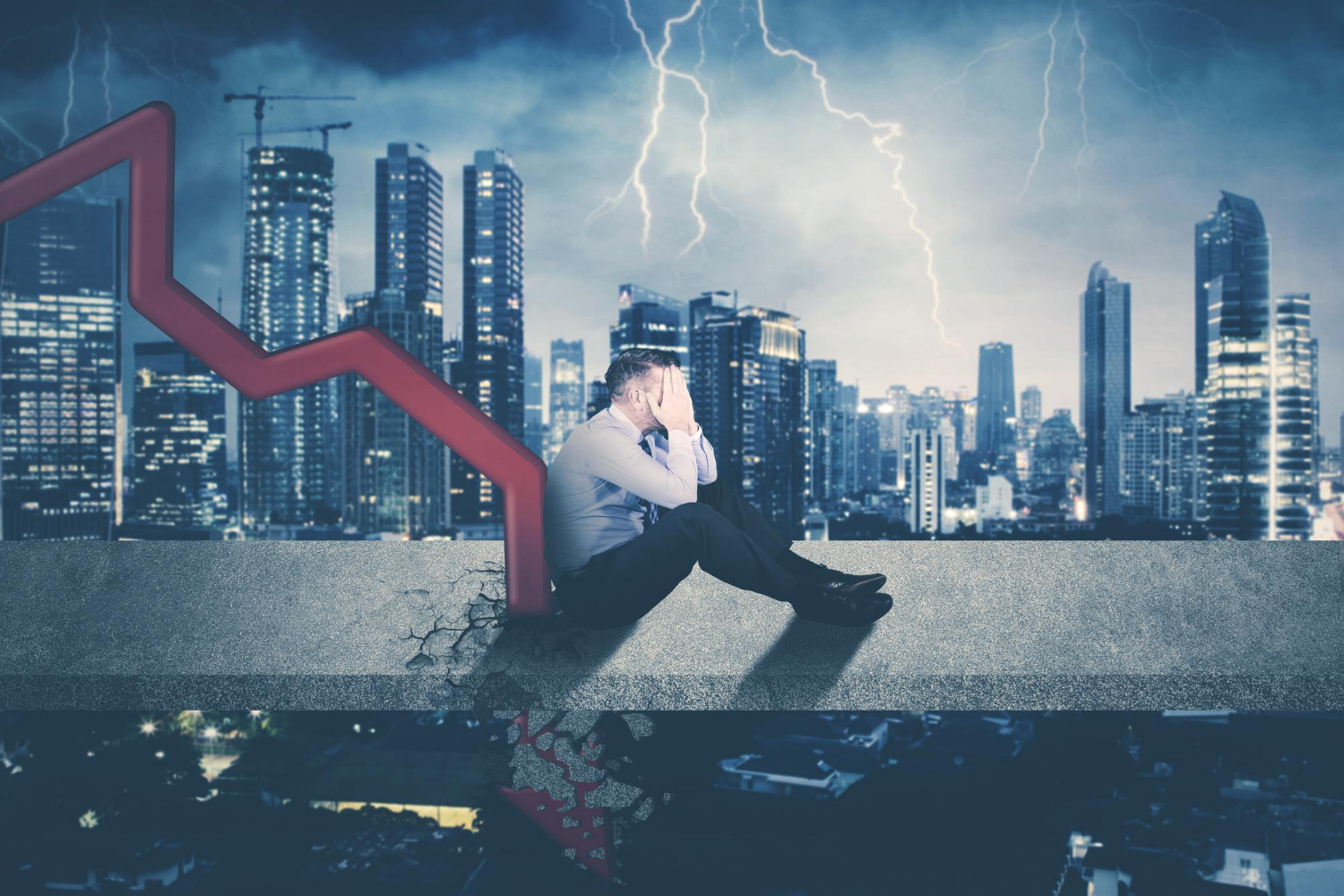
Over the past year, global economic forecasts have gradually shifted from outright pessimism to cautious optimism. Inflation in many major economies has eased from its peak, central banks are slowly approaching the end of aggressive tightening cycles, and labor markets remain more resilient than expected. Financial markets have responded positively to this improved outlook, with equities stabilizing and consumer sentiment showing tentative recovery. Yet beneath the surface of this improving narrative lies a persistent undercurrent of concern: recession risks have not disappeared. Instead, they have evolved into a more complex and uneven threat shaped by high interest rates, geopolitical tensions, structural economic shifts, and fragile consumer confidence.
The paradox of the current moment is that the world economy appears stronger than it did a year ago, yet still vulnerable to downturn shocks. Policymakers and economists are increasingly using phrases like “soft landing” and “slow growth recession” to describe a scenario where growth weakens but does not collapse. However, history shows that economic transitions rarely unfold smoothly. Even when the outlook improves, lagging effects from earlier policy tightening and external shocks can emerge months or even years later. As a result, the risk of recession remains a central concern for businesses, governments, and households worldwide.
This article explores why recession fears continue to linger despite brighter forecasts. By examining monetary policy, labor markets, consumer behavior, global trade dynamics, and structural economic risks, we can better understand the fragile balance shaping the global economy today.
The Delayed Impact of High Interest Rates
One of the most significant reasons recession risks persist is the delayed effect of aggressive interest rate hikes. Over the past few years, central banks around the world implemented some of the fastest monetary tightening cycles in decades to combat soaring inflation. While inflation has moderated, the consequences of those rate increases continue to ripple through the economy.
Interest rate hikes typically influence economic activity with a lag of 12 to 24 months. This delay occurs because households and businesses often lock in borrowing rates through mortgages, loans, and financing agreements. As these contracts reset or new borrowing becomes necessary, the full weight of higher rates begins to take effect. For many economies, that lag period is still unfolding.
Higher borrowing costs reduce consumer spending, business investment, and housing market activity. Mortgage rates, in particular, have risen sharply in many countries, leading to slower home sales and declining affordability. Housing markets often serve as early indicators of broader economic trends because they influence construction employment, household wealth, and consumer spending patterns.
Businesses also face rising financing costs, which can discourage expansion and hiring. Small and medium-sized enterprises are especially vulnerable because they rely heavily on credit to sustain operations. As interest expenses rise, profit margins shrink, leading companies to delay investments, cut costs, or reduce workforce growth.
Furthermore, government debt servicing costs have increased significantly. Many governments accumulated substantial debt during pandemic relief efforts, and higher interest rates now make that debt more expensive to maintain. This can limit fiscal flexibility, reducing governments’ ability to stimulate growth if economic conditions weaken.
The combination of these factors creates a fragile environment where growth may slow more sharply than expected. Even if central banks begin lowering rates, the cumulative effects of past tightening could still push economies toward recession.
Labor Market Resilience and Hidden Weaknesses
One of the strongest arguments against an imminent recession has been the resilience of labor markets. Unemployment rates in many major economies remain historically low, job creation has continued, and wage growth has helped offset inflation’s impact on household incomes. This strength has supported consumer spending and prevented the sharp downturn many economists once feared.
However, beneath the surface, there are signs of gradual softening. Job growth has slowed in several sectors, particularly technology, manufacturing, and finance. Layoffs in high-growth industries have increased, and hiring has become more cautious. While unemployment remains low, the pace of labor market expansion has clearly moderated.
Another concern is the rise of underemployment and reduced working hours. Many companies have opted to cut overtime or shift employees to part-time roles rather than conduct large-scale layoffs. This approach preserves jobs but reduces income growth and spending power. Over time, this can weaken consumer demand and slow economic momentum.
Wage growth also presents a complex challenge. While rising wages help households cope with inflation, they can contribute to persistent inflationary pressures if productivity does not keep pace. Central banks face a delicate balancing act: allowing wage growth to support consumption while preventing it from reigniting inflation.
Additionally, labor market strength is uneven across regions and industries. Some sectors face labor shortages, while others experience declining demand. This mismatch can create localized economic stress even if national employment figures remain strong.
The key risk is that labor markets tend to deteriorate rapidly once economic momentum slows. Historically, unemployment often rises quickly during downturns, amplifying the severity of recessions. As a result, current labor market strength should not be seen as a guarantee of long-term stability.
Consumer Confidence and the Fragility of Spending
Consumer spending accounts for a significant portion of economic activity in most countries. Over the past year, resilient consumer demand has been a major factor preventing recession. Households continued spending despite high inflation, supported by savings accumulated during pandemic lockdowns and strong job markets.
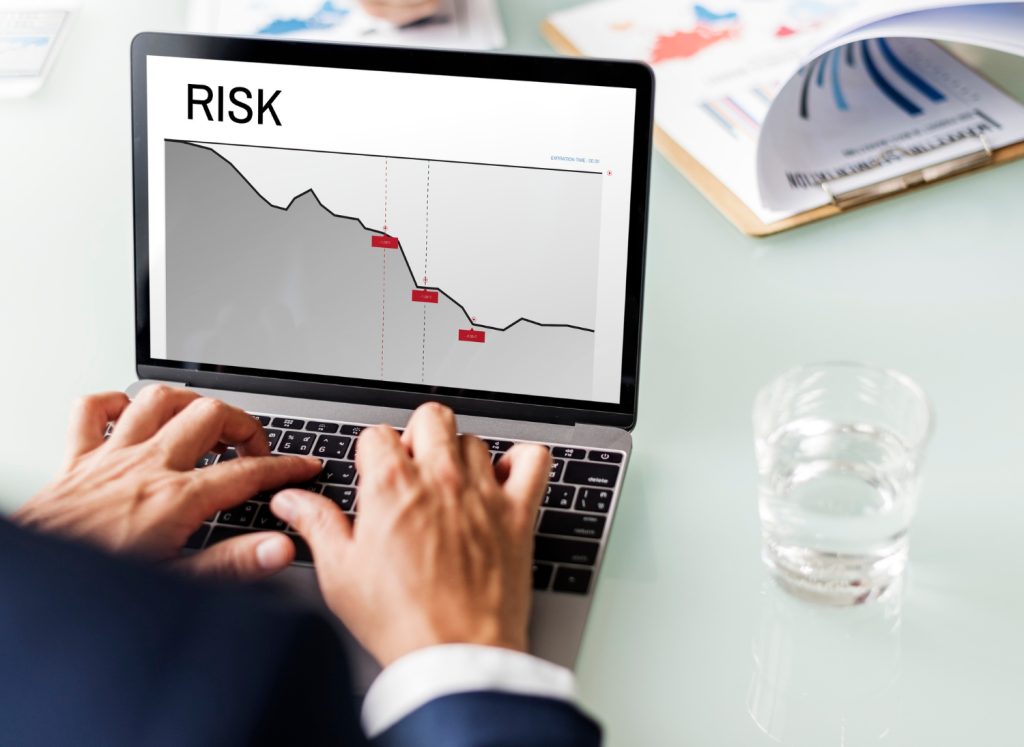
However, this resilience may be fading. Many households have depleted excess savings, and credit card balances have risen significantly. As borrowing costs increase, consumers may become more cautious about spending. Higher interest payments on loans and mortgages reduce disposable income, leaving less money for discretionary purchases.
Consumer confidence surveys reveal a mixed picture. While sentiment has improved from its lowest levels, many households remain concerned about future economic conditions. Persistent inflation in essential goods such as food, energy, and housing continues to strain budgets.
Another emerging trend is the shift in spending patterns. Consumers are prioritizing essential expenses and reducing spending on non-essential goods and services. This shift can have significant implications for industries such as retail, travel, and entertainment, which rely heavily on discretionary spending.
Rising living costs also affect income inequality. Lower-income households spend a larger share of their income on essentials, making them more vulnerable to price increases. As their purchasing power declines, overall economic demand can weaken.
If consumer spending slows significantly, economic growth could quickly stall. Because consumption is such a large driver of GDP, even modest reductions in spending can have outsized economic effects.
Global Trade, Geopolitics, and Supply Chain Shifts
Recession risks are not confined to domestic economic factors. Global trade dynamics and geopolitical tensions play a crucial role in shaping economic stability. Over the past decade, globalization has entered a period of transformation characterized by trade disputes, regional conflicts, and supply chain restructuring.
Trade tensions between major economies continue to create uncertainty for businesses. Tariffs, export restrictions, and shifting trade alliances disrupt global supply chains and increase production costs. Companies must invest in new supply networks, which can reduce efficiency and raise prices.
Geopolitical conflicts also affect energy markets, commodity prices, and investor confidence. Sudden spikes in energy costs can quickly strain economies, particularly those heavily reliant on imports. Even the threat of conflict can disrupt financial markets and reduce investment.
The reshoring and nearshoring of supply chains, while beneficial for long-term resilience, may contribute to short-term economic friction. Moving production closer to home often increases costs and requires significant capital investment. These adjustments can slow productivity growth and limit economic expansion.
Emerging markets face additional challenges, including currency volatility and debt vulnerabilities. Higher global interest rates have made borrowing more expensive, increasing the risk of financial instability in developing economies. Economic stress in these regions can spill over into global markets, affecting trade and investment flows.
Together, these global factors create a backdrop of uncertainty that complicates economic recovery. Even if domestic conditions improve, external shocks could quickly reverse progress.
Structural Economic Changes and Long-Term Risks
Beyond cyclical factors, structural changes in the global economy contribute to ongoing recession risks. Demographic shifts, technological transformation, and climate-related challenges are reshaping economic landscapes in ways that create both opportunities and vulnerabilities.
Aging populations in many developed economies are reducing workforce growth and increasing pressure on public finances. As the proportion of retirees rises, governments must allocate more resources to pensions and healthcare, limiting funds available for economic stimulus or infrastructure investment.
Technological disruption presents another double-edged sword. Automation and artificial intelligence improve productivity but also displace certain jobs. While new industries emerge, the transition can create temporary unemployment and income inequality.
Climate change and the transition to greener energy sources also carry economic risks. Extreme weather events disrupt supply chains and infrastructure, while the shift to renewable energy requires massive investment. Although these changes are necessary, they can strain economies in the short term.
Financial market vulnerabilities remain another concern. High asset valuations and rising debt levels increase the risk of market corrections. If asset prices fall sharply, the resulting wealth effect could reduce spending and investment, potentially triggering economic downturns.
These structural challenges mean that even if a near-term recession is avoided, long-term risks continue to loom. Policymakers must balance short-term economic stability with long-term sustainability.
Conclusion
The global economic outlook has undeniably improved compared to the darkest days of recent years. Inflation is easing, labor markets remain relatively strong, and financial markets have regained confidence. Yet the persistence of recession risks highlights the complexity of the current economic environment.
High interest rates continue to work their way through the economy, consumer spending faces growing pressure, and global uncertainties remain ever-present. At the same time, structural shifts—from demographic changes to technological disruption—add layers of long-term risk.
Rather than a clear path toward expansion or contraction, the global economy appears to be navigating a narrow corridor between resilience and vulnerability. This delicate balance means that economic outcomes will likely vary across regions and industries, with some areas experiencing growth while others face stagnation.
The lingering risk of recession serves as a reminder that economic recoveries are rarely linear. Policymakers, businesses, and households must remain vigilant, adaptable, and prepared for unexpected challenges. While the outlook may be brighter, the journey toward sustained stability is far from complete.