


Introduction
The housing market in 2026 is beginning to display clear signs of cooling after several years of sharp price growth, intense competition, and limited inventory. Across many regions, buyers and sellers are adjusting to a different environment shaped by higher borrowing costs, changing economic expectations, and shifts in household priorities. While the market is not collapsing, it is moving away from the overheated conditions that defined earlier years. Homes are taking longer to sell, price increases are slowing, and buyers are gaining more negotiating power.
This transition is important because housing affects much more than real estate professionals or homebuyers. It influences household wealth, construction activity, consumer confidence, and local government revenue. A cooling market can create opportunities for some people while creating challenges for others. First-time buyers may benefit from less competition, but homeowners expecting quick profits may need to reset expectations. Builders may become cautious, and lenders may tighten standards if risks increase.
The story of 2026 is not one of dramatic decline in every area. Real estate markets are highly local, meaning some cities remain strong while others soften noticeably. Areas with job growth, limited land supply, or strong migration trends may remain resilient. Meanwhile, regions that saw rapid price surges during previous years may experience greater correction pressure. The result is a mixed national picture marked by moderation rather than crisis.
Understanding why the market is cooling requires examining several connected forces. Interest rates remain a central factor, but affordability pressures, wage trends, inventory changes, investor behavior, and demographic patterns all matter. Consumers are becoming more selective, and many households are rethinking whether to buy now, wait, rent, or relocate. These decisions collectively shape market momentum.
In this article, we explore the reasons behind the 2026 slowdown, how buyers and sellers are responding, what it means for prices and construction, and where the market may go next. The cooling trend may be healthier than many assume, especially if it brings balance after a period of extreme strain.
Why the Housing Market Is Slowing
One of the most significant reasons for slower housing activity in 2026 is affordability pressure. Home prices rose strongly in previous years, often faster than incomes. Even when wages increased, they did not always keep pace with housing costs. As a result, many households now face difficult math when considering a purchase. Monthly payments remain high relative to earnings, especially for first-time buyers without large savings.
Mortgage rates also continue to influence demand. Even if rates are lower than peak levels seen earlier, they remain high enough to reduce purchasing power compared with the ultra-low-rate period of past years. A modest difference in rates can greatly change monthly payments, especially at today’s home prices. Many buyers who qualified comfortably before now find themselves priced into smaller homes or different neighborhoods.
Another factor is growing inventory in some markets. During the hottest years, available homes were scarce, creating bidding wars and rushed decisions. In 2026, more listings are returning as sellers test the market, investors offload some properties, or homeowners move for life reasons. More supply gives buyers time to compare options and negotiate. It also weakens the urgency that once drove prices upward.
Economic uncertainty is playing a role as well. Households are watching inflation trends, employment conditions, and broader growth prospects. When people feel unsure about future income or expenses, they often delay major purchases. Buying a home is usually the largest financial commitment many families make, so confidence matters greatly.
Investor demand has also changed. In earlier years, many investors bought homes expecting continued appreciation or strong rental returns. As financing costs rose and price gains slowed, some became more cautious. Reduced speculative demand can significantly cool markets that previously depended on rapid turnover.
Finally, lifestyle shifts are contributing. Remote and hybrid work patterns initially caused migration waves into suburbs and lower-cost regions. That movement pushed prices sharply higher in some areas. By 2026, these shifts are stabilizing. Households are no longer moving as aggressively, and some are reassessing location choices based on commuting needs, schools, or affordability.
How Buyers, Sellers, and Builders Are Responding
Buyers in 2026 are acting with greater patience and discipline. Instead of rushing to make offers within hours, many now visit multiple homes, compare neighborhoods, and negotiate on price or repairs. Inspection waivers and extreme bidding tactics are less common than during the peak frenzy. Buyers are also paying closer attention to long-term affordability, including taxes, insurance, maintenance, and commuting costs.
First-time buyers remain interested but face hurdles. Saving for a down payment is challenging after years of rising rents and living costs. Some are turning to smaller homes, shared purchases with family, or more distant suburbs. Others are choosing to rent longer while waiting for either prices or rates to become more favorable.
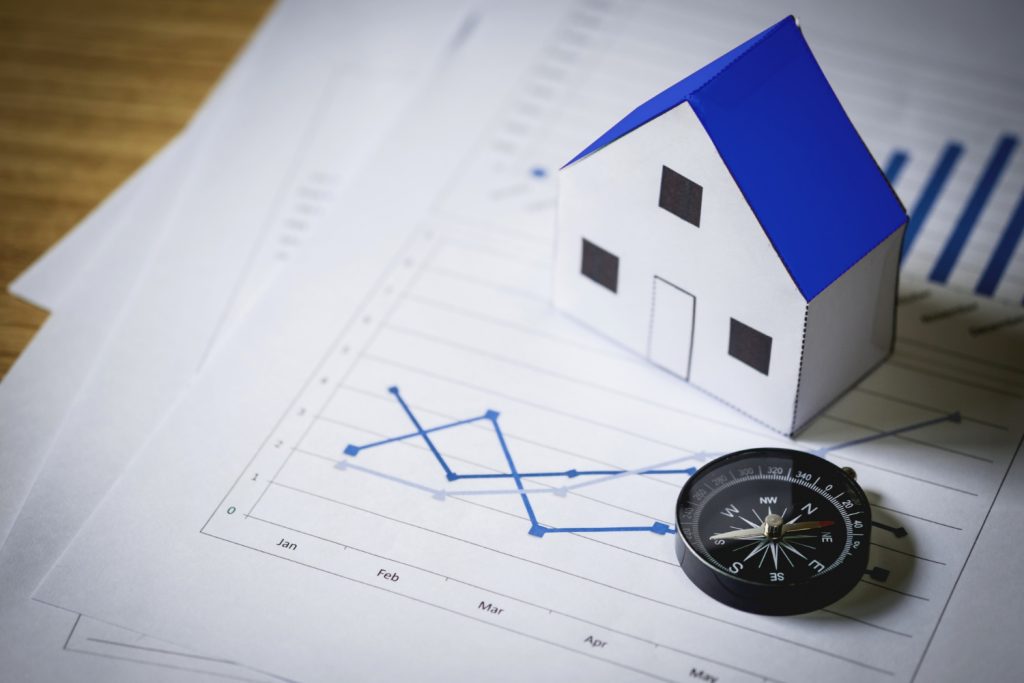
Sellers are adjusting to a new reality. Many still remember stories of homes selling far above asking price in days, but that environment is less common. Successful sellers are now pricing more realistically, investing in presentation, and being open to negotiation. Those who insist on peak-era pricing may see their listings sit longer and require reductions.
Some homeowners are reluctant to sell because they locked in lower mortgage rates years ago. Moving to a new home could mean financing at a higher rate, increasing monthly costs even if the new property is similar. This creates a “rate lock” effect that limits supply in certain markets. However, life events such as job changes, marriage, divorce, or retirement still bring homes to market.
Builders are proceeding carefully. Demand still exists, especially for entry-level housing, but construction costs, financing expenses, and uncertain buyer demand make planning more difficult. Some builders are offering incentives such as rate buydowns, upgrades, or closing cost assistance instead of cutting headline prices. Others are slowing new project launches until market direction becomes clearer.
Rental markets are also feeling the impact. If more people delay buying, rental demand can stay firm. Yet in areas with heavy apartment construction, increased rental supply may moderate rents. This dynamic affects investors and can influence whether renting or buying appears more attractive.
Overall, market participants are becoming more strategic. The emotional urgency of earlier years is fading, replaced by calculation and negotiation. That shift alone marks a major change in housing psychology.
What Cooling Means for Prices, Economy, and Communities
A cooling market does not automatically mean falling prices everywhere. In many areas, the first effect is slower growth rather than decline. Instead of rising rapidly each year, prices may level off or increase modestly. In overheated markets, outright declines are more likely, especially where affordability became stretched or investor activity was heavy.
For buyers, slower prices can be positive. It gives households time to plan, save, and make informed choices. It may also reduce the fear of overpaying during a frenzy. However, affordability can still remain difficult if mortgage rates stay elevated. Lower price growth alone does not guarantee easy access.
For homeowners, cooling conditions can change expectations around wealth creation. During boom periods, many came to expect steady and strong appreciation. A flatter market reminds owners that housing is both shelter and investment, with returns that can vary over time. Owners who need to sell quickly may face more pressure than those able to wait.
The broader economy is closely tied to housing. Home purchases often lead to spending on furniture, appliances, renovation, and moving services. When housing slows, these related sectors may also soften. Construction employment can be affected if fewer projects begin. On the other hand, reduced housing inflation can ease cost pressures for households and support financial stability.
Banks and lenders usually monitor cooling markets carefully. If prices fall sharply, lending risks rise. But if the slowdown remains orderly, the system can handle moderation more easily. Credit quality often depends more on employment trends than prices alone. As long as most borrowers remain employed and payments manageable, widespread distress is less likely.
Communities may experience mixed effects. Rapidly rising prices can strain residents, displace renters, and increase inequality. A calmer market may improve local stability and allow more residents to remain near work or family. Yet lower transaction volume can reduce certain local tax revenues or economic activity tied to sales.
Housing policy debates are also influenced by cooling trends. Governments may renew focus on zoning reform, affordable housing supply, infrastructure, and incentives for construction. If prices cool but remain high relative to incomes, structural supply issues remain unresolved.
Conclusion
The housing market in 2026 is showing unmistakable signs of cooling, but cooling should not automatically be confused with crisis. After years of intense competition, fast-rising prices, and limited supply, a more balanced environment may be both necessary and healthy. Buyers are regaining leverage, sellers are adjusting expectations, and builders are becoming more selective about future projects.
Several forces are driving this shift. Higher borrowing costs have reduced affordability, while previous price gains pushed ownership out of reach for many households. More inventory in some markets has weakened bidding wars, and economic uncertainty has encouraged caution. Investor enthusiasm has also cooled, removing some speculative pressure from the market.
The effects vary by region. Some cities continue to benefit from strong job growth or limited housing supply, while others face price softness after earlier surges. This local variation means there is no single national story. Anyone making decisions in 2026 must look closely at neighborhood-level conditions rather than broad headlines alone.
For consumers, the new environment rewards patience and preparation. Buyers can negotiate more effectively and think long term. Sellers must focus on realistic pricing and property presentation. Homeowners should view housing as a long-term asset rather than a guaranteed short-term gain. Policymakers, meanwhile, still face the challenge of improving affordability through better supply and smarter planning.
Ultimately, the cooling market of 2026 may represent a transition toward sustainability. If prices grow more in line with incomes, supply improves, and decision-making becomes less frantic, the housing sector can become healthier for households and the wider economy. The coming months will determine whether moderation deepens or stabilizes, but one thing is clear: the era of automatic housing acceleration has slowed, and a new phase has begun.