


Introduction
The relationship between oil prices and the value of the United States dollar has become one of the most closely watched dynamics in global financial markets. Investors across the world study this connection because it affects inflation, trade balances, government policies, energy costs, and international investment flows. Oil is not only a major commodity; it is also a strategic asset that influences economic performance in both developed and emerging nations. At the same time, the US dollar remains the dominant global reserve currency and the primary currency used in international oil trading. Because of this unique arrangement, fluctuations in either oil prices or the dollar can quickly spread across financial markets and national economies.
Global investors monitor the oil-dollar relationship to understand future economic conditions and identify potential risks. When oil prices rise sharply, concerns about inflation and slower economic growth often increase. When the dollar strengthens, oil can become more expensive for countries using other currencies, reducing demand and affecting trade. This interaction creates a complex cycle that influences stock markets, bond yields, currency valuations, and commodity investments. In recent years, geopolitical tensions, production cuts, supply disruptions, central bank policies, and changing energy demand patterns have made this relationship even more important.
The connection between oil and the dollar is also significant because it reflects broader shifts in global power and economic stability. Nations that export oil rely heavily on energy revenues, while importing countries depend on stable prices to control inflation and support industrial growth. Investors study these patterns carefully because they often provide clues about future economic trends. Whether it is a decision by oil-producing nations to reduce output or a change in interest rates by the US Federal Reserve, the impact is felt throughout global markets. Understanding this relationship has therefore become essential for governments, businesses, and investors seeking to navigate a rapidly changing financial environment.
The Historical Foundation of the Oil-Dollar Connection
The oil-dollar relationship has deep historical roots that date back several decades. After the collapse of the Bretton Woods monetary system in the early 1970s, the United States reached agreements with major oil-exporting nations to price oil in dollars. This arrangement strengthened the role of the dollar in international trade and established a system where countries around the world needed dollars to purchase oil. As global energy demand increased, the demand for the dollar also expanded, reinforcing its position as the world’s leading reserve currency.
This system created significant advantages for the United States. Because oil transactions were conducted mainly in dollars, the country enjoyed strong international demand for its currency. Foreign governments and central banks accumulated large dollar reserves to secure energy imports and stabilize their economies. This constant demand helped support the value of the dollar and allowed the United States to finance trade deficits more easily than many other countries. Over time, the oil-dollar system became a central pillar of global finance.
For oil-exporting nations, pricing oil in dollars also provided stability and access to international financial markets. Countries in the Middle East, Africa, and other energy-producing regions invested large portions of their oil revenues into dollar-based assets such as US Treasury bonds and American financial institutions. This process created a financial cycle where oil revenues supported the global influence of the dollar while strengthening economic ties between oil producers and Western financial systems.
However, the oil-dollar relationship has never remained completely stable. Periods of political instability, wars, economic recessions, and shifts in energy production have repeatedly tested the system. During oil crises in the 1970s, rising prices contributed to inflation and economic slowdowns in many countries. In later decades, major financial crises and fluctuations in commodity markets revealed how closely oil and currency movements were connected. Investors learned that changes in one area could quickly trigger reactions in the other.
The rise of alternative energy sources and growing discussions about reducing reliance on fossil fuels have also influenced the long-term outlook for the oil-dollar system. Some countries have explored trading oil in other currencies or creating alternative payment systems to reduce dependence on the dollar. Although the dollar continues to dominate global energy markets, these discussions reflect broader concerns about economic power, sanctions, and geopolitical influence. Investors pay close attention to such developments because they may gradually reshape the structure of global trade and finance.
How Oil Prices and the Dollar Influence Global Markets
Oil prices and the value of the dollar have a direct impact on nearly every sector of the global economy. Since oil is a critical input for transportation, manufacturing, agriculture, and energy production, changes in its price affect business costs and consumer spending worldwide. A sharp rise in oil prices can increase fuel and transportation costs, leading to higher prices for goods and services. This inflationary pressure often forces central banks to consider interest rate adjustments, which can further influence investment decisions and market performance.
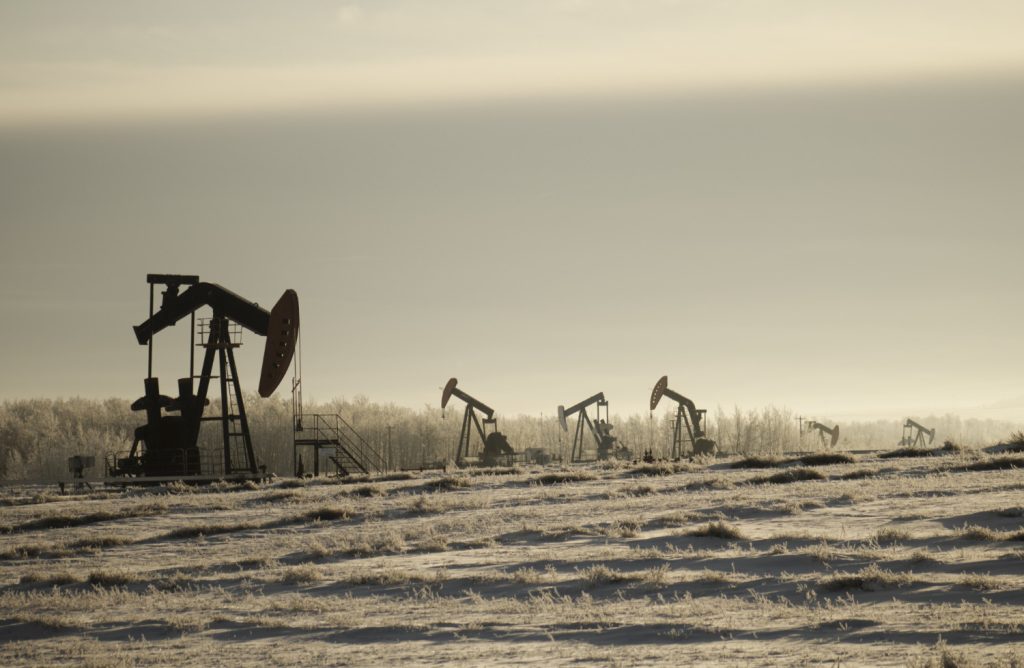
The strength of the dollar also plays a major role in determining oil demand. Because oil is typically priced in dollars, countries using weaker currencies may face higher import costs when the dollar rises. This can reduce purchasing power and slow economic growth in oil-importing nations. Emerging economies are particularly vulnerable because they often rely heavily on imported energy while carrying significant amounts of dollar-denominated debt. A stronger dollar can therefore create financial pressure on governments, businesses, and consumers in these regions.
Investors watch the oil-dollar relationship closely because it influences asset allocation and market sentiment. Rising oil prices may benefit energy companies and oil-exporting nations, while hurting industries that depend heavily on fuel. Airline companies, transportation firms, and manufacturers often face higher operating expenses when oil becomes expensive. At the same time, investors may shift funds toward commodities or energy-related stocks during periods of rising prices, expecting stronger profits in those sectors.
Currency markets also react strongly to changes in oil prices. Nations that export large amounts of oil often experience stronger currencies when prices rise because higher revenues improve trade balances and economic performance. Countries such as Canada, Norway, and several Middle Eastern economies can see their currencies gain value during oil booms. In contrast, oil-importing countries may face trade deficits and inflationary pressures, weakening their currencies and increasing economic uncertainty.
Bond markets are another area heavily influenced by the oil-dollar relationship. When investors expect higher inflation due to rising oil prices, government bond yields may increase because lenders demand better returns to compensate for inflation risks. Central banks may respond by tightening monetary policy, leading to higher interest rates. Such changes can affect borrowing costs for businesses and consumers while influencing global capital flows.
The stock market often reflects these complex interactions. Investors interpret movements in oil and the dollar as signals about economic health, inflation expectations, and geopolitical stability. A rapidly strengthening dollar combined with falling oil prices may indicate slowing global demand, while rising oil prices alongside a weaker dollar could point to inflationary risks. Because these signals can shape investor expectations, the oil-dollar relationship remains one of the most closely analyzed indicators in financial markets.
Geopolitical Tensions and Their Impact on Investor Confidence
Geopolitical events frequently intensify the connection between oil prices and the dollar. Conflicts in major oil-producing regions can disrupt supply chains and create uncertainty about future energy availability. Even the possibility of supply interruptions can trigger sharp price increases as markets react to potential shortages. Investors respond quickly to such developments because energy security is closely linked to economic stability and industrial production.
Tensions in regions with significant oil reserves often create volatility across global markets. Military conflicts, trade disputes, sanctions, and political instability can all influence oil production and transportation routes. When uncertainty rises, investors typically seek safe-haven assets such as the US dollar and government bonds. This creates a situation where both oil prices and the dollar may rise simultaneously, despite their traditionally inverse relationship.
Sanctions imposed on oil-producing countries can significantly reshape global energy flows. Restrictions on exports may reduce supply and increase prices, while affected nations search for alternative trading partners and payment systems. Investors study these developments carefully because they may alter long-term trade patterns and influence currency markets. Changes in production agreements among major exporters can also have immediate effects on prices and investor sentiment.
The role of major oil-producing alliances has become increasingly important in recent years. Coordinated production cuts or output increases can influence global supply levels and market expectations. Investors analyze these decisions because they provide insight into future price trends and economic conditions. If production cuts tighten supply, prices may rise and increase inflation concerns. If output expands significantly, prices may fall and raise worries about weakening demand.
Geopolitical tensions also affect the policies of central banks and governments. Rising energy prices caused by political instability can force policymakers to balance inflation control with economic growth. Higher interest rates may strengthen the dollar but slow economic activity, creating additional uncertainty for investors. Governments may also introduce subsidies, tax adjustments, or strategic reserve releases to stabilize domestic markets.
Investor confidence is highly sensitive to these developments because uncertainty increases market volatility. Financial markets often react not only to actual events but also to expectations about future risks. A single announcement regarding sanctions, military activity, or production changes can lead to major movements in oil prices, currencies, and stock indices within hours. As a result, investors continuously monitor geopolitical developments to assess potential risks and opportunities.
Conclusion
The relationship between oil prices and the US dollar remains one of the most influential forces in the global financial system. Its impact extends far beyond energy markets, shaping inflation trends, investment flows, trade balances, and economic policies around the world. Because oil is essential to industrial activity and transportation while the dollar serves as the dominant international currency, movements in either can create widespread consequences for businesses, governments, and consumers.
Global investors closely observe this relationship because it offers valuable insights into economic conditions and market sentiment. Rising oil prices may signal inflationary pressures and supply concerns, while changes in the value of the dollar can influence global trade and investment decisions. Together, these factors affect stocks, bonds, commodities, and currencies across both developed and emerging economies. The interaction between oil and the dollar therefore acts as a powerful indicator of global economic stability.
Historical developments have reinforced the importance of this connection, especially through the long-standing practice of pricing oil in dollars. Although alternative payment systems and energy transitions are gradually emerging, the dollar continues to dominate global energy trade. At the same time, geopolitical tensions, production policies, and central bank actions continue to create uncertainty in markets, making the oil-dollar relationship even more significant for investors.
As the global economy evolves, the dynamics between oil and the dollar may change, but their influence is unlikely to disappear. Energy demand patterns, technological innovation, climate policies, and shifts in international power structures will all contribute to shaping future trends. Investors will continue to monitor these developments carefully because understanding the oil-dollar relationship remains essential for managing risk and identifying opportunities in an increasingly interconnected world.