

Introduction
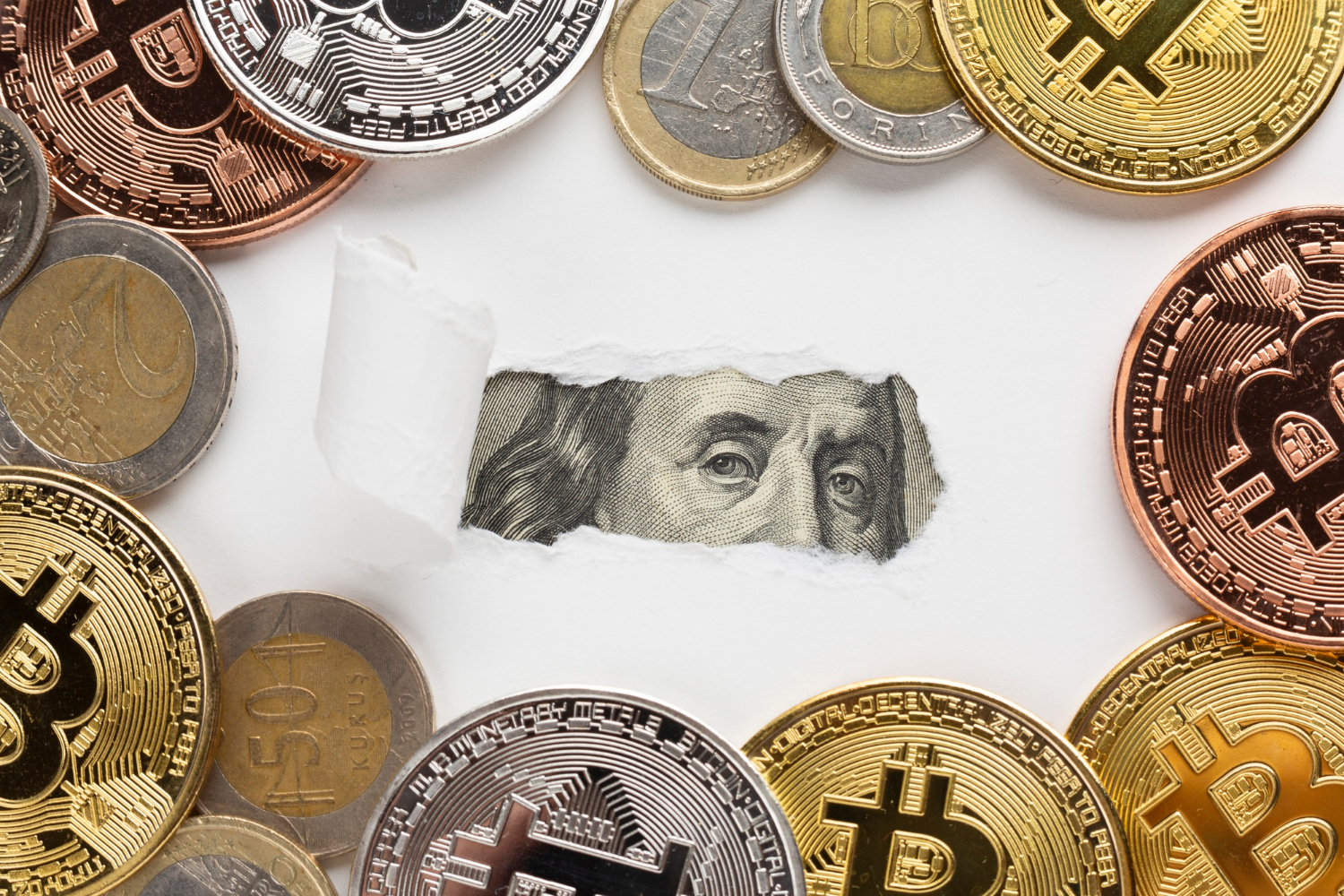
For decades, the United States dollar has stood at the center of the global financial system. International trade, oil pricing, foreign exchange reserves, and cross-border debt have largely depended on the strength and reliability of the dollar. Governments trusted it because of the size of the American economy, the liquidity of U.S. financial markets, and the political stability associated with American institutions. This dominance allowed the United States to enjoy enormous influence over international finance and global trade. However, the rise of Bitcoin has introduced a new debate about the future of reserve assets and the structure of global monetary power.
Bitcoin emerged after the 2008 financial crisis as a decentralized digital currency designed to operate without central banks or governments. What began as a small experiment among technology enthusiasts has transformed into a global financial asset followed by investors, institutions, and even sovereign governments. Unlike traditional currencies, Bitcoin has a limited supply, operates through blockchain technology, and allows peer-to-peer transactions across borders. These characteristics have attracted countries and investors seeking alternatives to dependence on the U.S. dollar.
In recent years, nations have increasingly discussed reserve diversification due to inflation concerns, sanctions risks, geopolitical tensions, and fears about excessive reliance on a single currency system. Gold purchases by central banks have risen sharply, while some countries have explored local currency trade agreements and digital assets. Bitcoin has become part of this conversation because it offers a borderless monetary network outside direct government control. Although it remains volatile and controversial, its growing adoption signals a shift in how nations think about financial security and monetary independence.
The challenge Bitcoin presents to dollar dominance is not immediate replacement but gradual transformation. The dollar still controls the majority of global reserves and international settlements, yet the emergence of alternative systems reflects changing attitudes toward financial power. Bitcoin represents both a technological innovation and a political statement against centralized monetary control. As nations diversify reserves and seek new forms of economic resilience, the role of Bitcoin in the global financial order continues to gain attention.
The Foundations of Dollar Dominance
The dominance of the U.S. dollar did not happen by accident. After the Second World War, the Bretton Woods system established the dollar as the central currency for international trade and finance. Even after the gold standard ended in the 1970s, the dollar retained its leadership because global markets trusted the economic and military strength of the United States. Oil transactions, international loans, and reserve holdings were overwhelmingly conducted in dollars, creating a system where global trade depended heavily on American financial infrastructure.
This system gave the United States enormous advantages. The demand for dollars allowed America to borrow at lower costs and maintain significant influence over international markets. Since most countries held dollar reserves, they relied on U.S. Treasury bonds as safe assets. The American banking system also became deeply integrated into global payments, making the dollar essential for cross-border commerce. As a result, financial sanctions and monetary policies implemented by the United States could affect economies worldwide.
However, the same concentration of power that strengthened the dollar also created vulnerabilities and resentment. Many countries became concerned about excessive dependence on American monetary policy. When the Federal Reserve changes interest rates, the impact often spreads far beyond U.S. borders, affecting inflation, debt payments, and capital flows in developing economies. Countries facing sanctions or political tensions with the United States have become especially interested in reducing exposure to the dollar system.
The freezing of foreign reserves in geopolitical conflicts has also intensified discussions about reserve diversification. Some governments now fear that holding large amounts of dollar-denominated assets could expose them to political pressure or financial restrictions. This concern has encouraged efforts to build alternative payment systems, strengthen regional trade agreements, and increase holdings of assets outside traditional dollar structures.
Despite these concerns, replacing the dollar remains extremely difficult. The American economy is still one of the largest in the world, and U.S. financial markets remain highly liquid and trusted. Most international contracts and commodities are still priced in dollars. Yet confidence in a monetary system can gradually weaken when countries begin searching for alternatives. Bitcoin has entered this debate because it offers something unique: a monetary network not directly controlled by any single state.
Bitcoin as a Strategic Reserve Alternative
Bitcoin differs fundamentally from traditional reserve assets. Unlike fiat currencies, it is not issued by a central bank and cannot be expanded endlessly through monetary policy. Its total supply is capped at twenty-one million coins, making scarcity a defining feature. Supporters argue that this fixed supply protects Bitcoin from inflation and currency devaluation, especially during periods of aggressive money printing by governments.
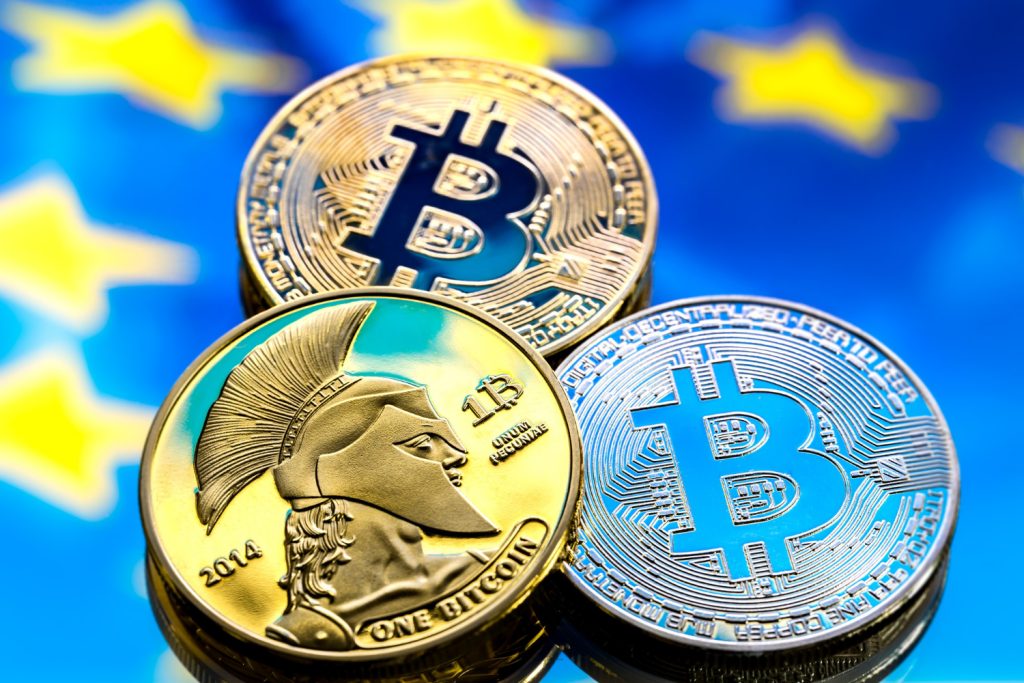
For nations concerned about preserving long-term purchasing power, Bitcoin offers an alternative form of value storage. Some governments and institutional investors compare it to digital gold because of its scarcity and decentralized structure. During times of economic uncertainty, the appeal of assets outside government control often increases. Bitcoin’s global accessibility and independence from traditional banking systems have therefore attracted interest among countries seeking financial diversification.
El Salvador became the first country to adopt Bitcoin as legal tender, signaling a symbolic challenge to the traditional monetary order. While the economic results remain debated, the decision demonstrated that sovereign states are willing to experiment with digital assets as part of national financial strategies. Other countries have explored Bitcoin mining, blockchain infrastructure, and reserve diversification discussions, even if they have not formally adopted Bitcoin.
Another important factor is sanctions resistance. Since Bitcoin transactions operate on decentralized networks, they are harder to control through traditional banking restrictions. Countries facing economic sanctions may view digital assets as tools for bypassing parts of the global financial system dominated by the dollar. While Bitcoin cannot fully replace banking infrastructure, it introduces new possibilities for cross-border transfers and reserve management outside conventional channels.
Bitcoin also appeals to younger populations and technology-driven economies. As digital finance expands, governments increasingly recognize that blockchain technology could influence future payment systems and financial markets. Central bank digital currencies are being developed worldwide, partly in response to the rise of decentralized cryptocurrencies. Even if governments remain cautious about Bitcoin itself, its existence has already forced policymakers to reconsider the structure of modern money.
Still, Bitcoin faces major limitations as a reserve asset. Its price volatility remains one of the biggest obstacles to widespread adoption by central banks. Reserve currencies require stability and predictability, while Bitcoin often experiences large price swings within short periods. Liquidity concerns, regulatory uncertainty, cybersecurity risks, and environmental criticisms surrounding mining also create hesitation among policymakers.
Yet Bitcoin’s significance may not depend solely on replacing the dollar. Instead, it represents a broader movement toward diversification and decentralization. Even a small allocation of Bitcoin within national reserves could symbolize declining confidence in a purely dollar-centered financial system. Over time, this shift could contribute to a more multipolar monetary environment where different assets and currencies share influence.
Global Reserve Diversification and the Changing Financial Order
The global financial system is entering a period of transition. Countries are increasingly exploring ways to reduce dependence on the dollar and strengthen economic sovereignty. This trend is driven by geopolitical competition, rising debt levels, inflation fears, and technological innovation. While the dollar remains dominant, the growth of reserve diversification strategies indicates that nations are preparing for a more fragmented monetary landscape.
Central banks have increased gold purchases at the fastest pace in decades, reflecting concerns about long-term currency stability. At the same time, countries such as China and Russia have promoted bilateral trade using local currencies instead of dollars. Regional organizations have discussed alternative payment systems designed to reduce reliance on Western-controlled financial networks. These developments suggest that trust in a single reserve currency model is gradually weakening.
Bitcoin fits into this broader trend because it exists outside national monetary systems. Unlike reserve currencies tied to specific governments, Bitcoin operates globally without centralized control. For some nations, this independence makes it attractive as a hedge against geopolitical uncertainty. Smaller economies, particularly those vulnerable to inflation or currency instability, may see digital assets as part of a strategy to protect reserves and encourage financial innovation.
Technological change is also reshaping global finance. Blockchain networks allow faster and more transparent transfers across borders, reducing dependence on traditional intermediaries. This creates opportunities for new payment ecosystems that challenge established financial institutions. Bitcoin was the first major cryptocurrency to demonstrate the potential of decentralized finance, inspiring a wider transformation in how money and value can move globally.
However, the path toward diversification is complex. Most governments remain cautious because the dollar system still provides deep liquidity, stability, and global acceptance. Building alternatives requires not only technology but also trust, legal frameworks, and international cooperation. Bitcoin’s decentralized nature can be both a strength and a weakness. While it reduces political control, it also limits the ability of governments to manage monetary policy or respond to financial crises.
There are also environmental and regulatory concerns. Bitcoin mining consumes significant energy, leading critics to question its sustainability. Governments worry about money laundering, tax evasion, and financial crime associated with unregulated digital transactions. Regulatory frameworks differ widely across countries, creating uncertainty about how Bitcoin will integrate into the global economy.
Despite these challenges, the conversation itself is important. A decade ago, the idea that nations would discuss holding Bitcoin alongside traditional reserves seemed unrealistic. Today, digital assets are part of serious debates about the future of finance. This shift reflects changing perceptions of money, trust, and sovereignty in an increasingly digital world.
Conclusion
Bitcoin’s challenge to dollar dominance is not a sudden revolution but a gradual shift in global financial thinking. The U.S. dollar continues to dominate international trade, reserves, and financial markets, supported by the strength of the American economy and deep investor confidence. However, rising geopolitical tensions, inflation concerns, and fears of overdependence on a single monetary system have encouraged countries to explore alternative reserve strategies.
Bitcoin has emerged as one of the most significant alternatives because of its decentralized structure, fixed supply, and global accessibility. It offers nations and investors a financial asset that exists outside direct state control, making it attractive in an era of political and economic uncertainty. Although Bitcoin remains highly volatile and faces major regulatory challenges, its growing influence reflects broader changes in the global financial order.
Reserve diversification is becoming a defining theme of modern international finance. Gold, local currency agreements, digital payment systems, and cryptocurrencies are all part of efforts to create a more balanced and resilient monetary landscape. Bitcoin may never fully replace the dollar, but its rise signals that the era of unquestioned dollar supremacy could face increasing pressure over time.
The future financial system will likely be more diverse and technologically driven than the one that dominated the twentieth century. Bitcoin represents both an economic innovation and a symbolic response to centralized monetary power. As nations continue searching for financial independence and strategic flexibility, Bitcoin’s role in reserve diversification debates will remain an important issue shaping the future of global finance.