

Introduction
For decades, ATM cards have been one of the most familiar tools in modern banking. Customers insert or tap a card, enter a personal identification number, and gain access to services such as cash withdrawals, balance inquiries, deposits, and account transfers. This system has become so common that most people rarely think about the technology behind it. However, banking is rapidly moving toward a future where physical cards may no longer be necessary for every transaction.
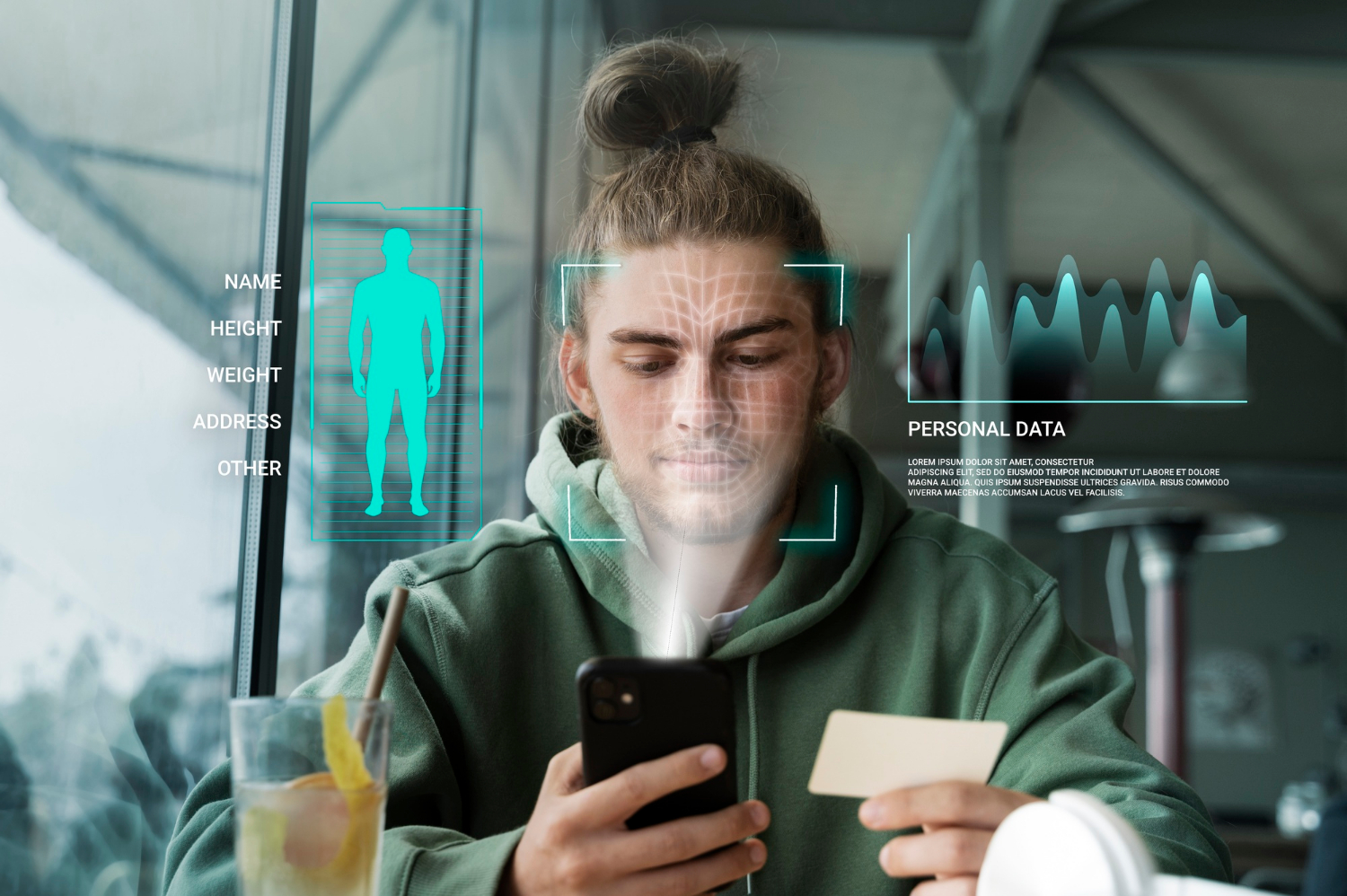
Facial recognition is emerging as one of the technologies that could transform the traditional ATM experience. Instead of carrying a debit card and remembering a PIN, a customer could potentially approach an ATM, allow a camera to verify their identity, and complete a transaction after additional security checks. The idea sounds convenient, futuristic, and potentially more secure. At the same time, it creates serious questions about privacy, accuracy, fraud prevention, customer acceptance, and the responsibility of financial institutions.
Banks have already spent years encouraging customers to adopt digital wallets, contactless payments, mobile banking applications, and cardless ATM withdrawals. As consumers become more comfortable with digital financial services, biometric authentication appears to be a natural next stage of development. Smartphones already use faces and fingerprints to unlock devices and authorize certain transactions. Extending similar technology to ATMs could change the relationship between customers, physical bank cards, and cash machines.
The biggest question is whether facial recognition can completely replace ATM cards or whether it will simply become another authentication option. A complete replacement would require the technology to work reliably across millions of customers, different lighting conditions, changing appearances, cybersecurity threats, and complex financial regulations. It would also need to earn public trust.
The future of ATM banking is therefore unlikely to depend on technological capability alone. It will depend on whether facial recognition can provide the right combination of convenience, security, accessibility, affordability, and privacy. Understanding these factors is essential when considering whether the familiar ATM card could eventually disappear.
How Facial Recognition Could Transform the Traditional ATM Experience
A facial recognition ATM would operate differently from the card-based machines that customers have used for generations. Instead of beginning the transaction by inserting a physical card, the customer could initiate authentication through a camera installed in the machine. The system would capture facial information and compare it with biometric data connected to the customer’s bank account.
If the identity is successfully verified, the ATM could provide access to selected banking services. Depending on the security system, facial recognition might be combined with a mobile banking application, one-time password, PIN, fingerprint, or another authentication method.
This approach could significantly improve convenience.
One of the most obvious advantages is that customers would no longer need to carry a physical card for every ATM transaction. Losing a wallet, forgetting a card at home, or having a damaged card could become less disruptive. As long as customers could securely verify their identities, they might still be able to access their accounts.
Facial recognition could also make ATM transactions faster. Traditional ATM use involves several steps. The customer must insert or tap a card, wait for the machine to read it, enter a PIN, select a transaction, and complete the process. A well-designed biometric system could reduce some of these steps.
The technology could also support a more personalized banking experience. Once the system recognizes a customer, the ATM might display preferred language settings, frequently used withdrawal amounts, accessibility options, and other personalized features.
For example, a customer who regularly withdraws a specific amount might immediately receive that option after successful authentication. This could reduce transaction time and simplify the experience.
Another important benefit could be the reduction of certain types of card-related fraud.
Traditional ATM fraud often targets physical cards and PIN information. Criminals may attempt to steal cards, capture card information through unauthorized devices, or observe customers entering their PINs. If an ATM does not require a physical card, some attacks focused specifically on card information could become less effective.
Facial authentication could also help prevent transactions involving stolen ATM cards. A criminal who obtains another person’s card and PIN may be able to withdraw money from a traditional ATM. In a biometric system, possession of account information might not be sufficient because the criminal would also need to pass identity verification.
However, removing cards does not automatically eliminate financial crime.
Fraud methods evolve alongside technology. As banks introduce biometric authentication, criminals may focus on manipulating cameras, stealing biometric databases, using artificial intelligence, or exploiting weaknesses in identity verification systems.
This means facial recognition would not simply replace one security challenge with a perfect solution. It would create a new banking environment with different opportunities and different risks.
The development of cardless ATM systems also reflects broader changes in consumer behavior. Many people already use smartphones for banking, shopping, payments, investments, and money transfers. Physical cards remain important, but digital identity is becoming increasingly central to financial services.
As this transition continues, facial recognition could become part of a larger authentication ecosystem rather than functioning as an independent technology.
Security, Privacy, and Fraud Challenges Facing Facial Recognition ATMs
Security is one of the strongest arguments both supporting and opposing facial recognition in banking.
Supporters may argue that a person’s face is more difficult to steal than a physical ATM card. Customers can lose cards, criminals can obtain card numbers, and PINs can be exposed. Facial authentication introduces a biometric characteristic that is directly connected to the individual.
However, biometric security creates a major difference compared with traditional passwords and cards.
If a password is compromised, the customer can change it. If an ATM card is stolen, the bank can cancel the card and issue another one. A person cannot easily replace their face.
This makes the protection of biometric information extremely important.
Banks using facial recognition would need advanced cybersecurity systems to prevent unauthorized access to customer data. The storage, processing, and transmission of biometric information would require strong safeguards. A major security incident involving facial data could have consequences beyond ordinary financial information theft.
Another concern is spoofing.
Criminals could potentially attempt to deceive facial recognition systems using photographs, videos, masks, manipulated images, or artificially generated content. As artificial intelligence technology becomes more advanced, banks will need systems capable of distinguishing between a real person and a fraudulent representation.
This is where liveness detection becomes important.
An ATM may need to determine whether the individual standing in front of the machine is physically present. Advanced systems could examine movement, depth, eye behavior, facial characteristics, and other signals before approving a transaction.
The effectiveness of such security measures will determine whether facial recognition can be trusted for widespread ATM use.
Privacy may be an even greater challenge.
Many customers are comfortable providing their bank with information such as their name, address, phone number, and financial history because these details are necessary for banking services. Biometric information can feel different because it relates directly to a person’s physical identity.
Customers may ask important questions.
Where is facial information stored? How long is it retained? Can customers delete their biometric information? Could the data be shared with third parties? What happens if a security breach occurs? Can customers continue using traditional banking methods if they refuse facial recognition?
Banks and regulators would need clear answers.
Transparency will be essential for building trust. Customers should understand how their biometric information is collected and used. Complicated agreements and unclear privacy policies could create suspicion and resistance.
Accuracy is another concern.
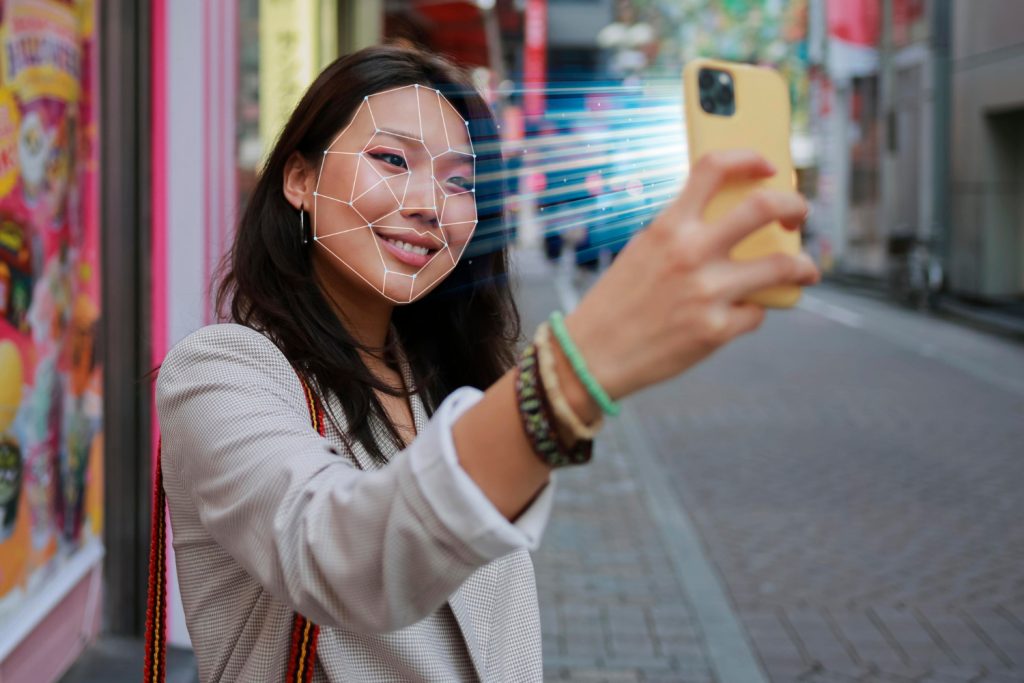
No authentication technology works perfectly under every possible condition. Facial recognition systems may be affected by lighting, camera quality, aging, injuries, changes in appearance, medical conditions, and other circumstances.
Imagine a customer who urgently needs cash but cannot access an account because the ATM repeatedly fails to recognize them. Such situations could create frustration and potentially serious financial difficulties.
False acceptance is an even greater security risk. If the system incorrectly identifies an unauthorized individual as the account holder, financial losses could occur.
Banks would therefore need to balance two competing goals: making authentication strict enough to prevent fraud while ensuring legitimate customers are not repeatedly denied access.
These challenges suggest that facial recognition alone may not provide sufficient protection for every transaction. Multi-factor authentication could become the preferred solution.
A customer might first use facial recognition and then approve the transaction through a banking application. Another system might require facial authentication plus a temporary code. Higher-value withdrawals could involve additional verification.
The future of ATM security may therefore depend less on replacing cards with faces and more on combining several technologies into a stronger identity verification system.
Why Banks and Customers May Still Need ATM Cards
Although facial recognition offers exciting possibilities, ATM cards are unlikely to disappear immediately.
The first reason is infrastructure.
Banks operate enormous networks of ATMs, payment systems, card processing technologies, and customer service operations. Replacing or upgrading machines with advanced biometric capabilities would require substantial investment.
Financial institutions would need to install high-quality cameras, improve software, strengthen cybersecurity, integrate biometric databases, test systems, train employees, and comply with regulatory requirements.
For large banks, the cost could be significant. For smaller financial institutions, the expense might be even more challenging.
The second issue is customer acceptance.
Not everyone wants to use facial recognition for financial transactions. Some customers may have privacy concerns. Others may simply prefer traditional cards because they understand how they work.
Older customers, people who are less comfortable with technology, and individuals without modern smartphones could face difficulties if banks move too quickly toward biometric-only banking.
Accessibility must also be considered.
A future ATM system should serve customers with different physical abilities, technological skills, financial circumstances, and privacy preferences. Making facial recognition mandatory could unintentionally create barriers for certain groups.
Banks may therefore continue offering multiple authentication methods.
A customer could choose between a physical card, mobile application, QR code, facial recognition, or another secure option. This flexible model would allow financial institutions to introduce new technology without forcing every customer to abandon existing systems.
Cards also have uses beyond ATMs.
Debit cards are used for retail payments, online shopping, recurring subscriptions, international transactions, and many other financial activities. Even if facial recognition becomes common at cash machines, replacing the broader payment card ecosystem would be a much larger challenge.
Another important factor is reliability.
Physical cards are simple and familiar. While they can be lost or stolen, they work across a large global infrastructure. Facial recognition depends on cameras, software, connectivity, data processing, and sophisticated security systems.
Technical failures could create major problems.
What happens if the ATM camera stops working? What if the biometric network is temporarily unavailable? What if a customer’s appearance has significantly changed? What if the system cannot establish sufficient confidence to approve the transaction?
Banks would need alternative authentication methods.
This means physical cards could remain valuable as a backup even in a biometric banking environment.
There is also the question of international compatibility. Customers frequently use cards while traveling. Creating a globally accepted facial recognition system would require cooperation among banks, payment networks, governments, regulators, and technology providers.
Different countries have different privacy laws and attitudes toward biometric technology. A system accepted in one market may face legal or cultural resistance in another.
The transition is therefore more likely to happen gradually.
In the early stages, facial recognition could be offered as an optional service. Customers interested in biometric banking could register through secure verification procedures. Banks could test the technology in selected locations before expanding it.
Over time, if customers trust the system and security performance remains strong, adoption could increase.
ATM cards might then become less important.
This would be similar to the evolution of other technologies. New systems often do not eliminate older methods immediately. Instead, consumers gradually change their behavior as the new technology becomes more convenient, affordable, and reliable.
The most realistic future may involve a hybrid banking system.
Customers could use facial recognition for routine transactions, smartphones for digital authentication, and physical cards when needed. Artificial intelligence could analyze transaction behavior for suspicious activity while banks maintain multiple security layers.
In this environment, the traditional ATM card would no longer be the only gateway to a bank account.
The important shift would be from possession-based authentication to identity-based authentication.
Traditional banking often asks, “Do you have the correct card and PIN?”
Future banking systems may increasingly ask, “Can we securely confirm that you are the legitimate account holder?”
Facial recognition could play an important role in answering that question, but it will probably work alongside other technologies rather than replacing every existing method at once.
Conclusion
Facial recognition has the potential to significantly change the future of ATM banking. It could make cash withdrawals more convenient, reduce dependence on physical cards, create faster transactions, and limit certain forms of card-related fraud.
The technology fits into a broader transformation of financial services. Banking is becoming increasingly digital, mobile, personalized, and focused on secure identity verification. As consumers become more familiar with biometric authentication on smartphones and other devices, using similar technology at ATMs may eventually feel natural.
However, replacing ATM cards entirely would be far more complicated than simply installing cameras on cash machines.
Banks must address serious concerns involving cybersecurity, biometric data protection, privacy, accuracy, artificial intelligence-based fraud, accessibility, customer choice, infrastructure costs, and financial regulations.
The permanent nature of biometric identity makes security particularly important. A stolen card can be canceled, while compromised biometric information creates a much more complex problem. For this reason, banks will need extremely strong systems for protecting customer data.
Facial recognition technology must also prove that it can accurately identify customers under real-world conditions. Financial institutions cannot rely on systems that frequently reject legitimate users or accidentally approve unauthorized transactions.
Public trust will ultimately determine the speed of adoption.
Customers are more likely to accept facial recognition when banks clearly explain how information is collected, protected, stored, and deleted. Giving customers control over whether they participate could also encourage wider acceptance.
For these reasons, the immediate future is unlikely to involve the sudden disappearance of ATM cards.
A gradual transition appears more realistic.
Facial recognition may first become an optional authentication method. It could then operate alongside cards, mobile applications, one-time passwords, fingerprints, and other security technologies.
As biometric systems improve, customers may begin using physical cards less frequently. Eventually, ATM cards could become secondary tools or backup authentication methods.
Whether they disappear completely will depend on technological progress, customer preferences, regulatory decisions, and the ability of banks to protect biometric identity.
The future ATM may not ask customers to insert a card. Instead, it could recognize the customer, confirm identity through multiple security checks, and provide personalized access to banking services within seconds.
Facial recognition therefore has a realistic chance of reducing the importance of ATM cards. Complete replacement, however, is likely to take much longer.
The most probable future is not a world where ATM cards suddenly vanish. It is a world where customers have several secure ways to access their money, and facial recognition becomes one of the most important technologies supporting that transformation.