


Introduction
The banking industry has changed significantly over the past decade, with technology becoming the driving force behind safer and more convenient payment methods. Among these innovations, contactless debit cards have emerged as one of the most important advancements in modern financial services. These cards allow customers to make payments by simply tapping their card on a compatible payment terminal instead of inserting it into a machine or swiping the magnetic stripe. This small change in the payment process has had a major impact on both convenience and security.
ATM fraud has remained a serious concern for financial institutions and consumers for many years. Criminals have developed numerous techniques to steal debit card information, including card skimming, hidden cameras, fake keypads, card trapping devices, and PIN theft. These attacks often target traditional chip or magnetic stripe transactions because they require physical contact with ATM machines or payment terminals. As fraud methods have become increasingly sophisticated, banks have invested heavily in stronger security technologies to protect customer accounts.
Contactless debit cards represent a significant improvement because they minimize the amount of sensitive information exchanged during transactions. Rather than exposing permanent card data every time a purchase is made, these cards rely on secure communication protocols that generate unique transaction credentials for each payment. Even if criminals intercept transmitted information, the stolen data is generally useless for creating counterfeit cards or conducting additional unauthorized purchases.
Although contactless technology cannot completely eliminate ATM fraud, it plays an important role in reducing many common attack methods. Customers who frequently use contactless payments often rely less on ATMs and traditional card insertion terminals, decreasing opportunities for criminals to steal financial information. Financial institutions also combine contactless technology with advanced fraud monitoring systems, encryption, tokenization, biometric authentication, and real-time transaction analysis to create multiple layers of protection.
Understanding how contactless debit cards improve banking security helps consumers make informed decisions about using modern payment technology. By examining the security features built into these cards, the changing fraud landscape, and the future of digital banking protection, it becomes clear why contactless debit cards have become an essential component of today’s financial ecosystem.
Understanding ATM Fraud and Traditional Debit Card Vulnerabilities
ATM fraud has evolved alongside banking technology. As banks introduced chip-enabled cards to replace magnetic stripes, criminals adapted their techniques rather than abandoning them. Modern fraud schemes often combine physical devices with digital tools to steal financial information from unsuspecting customers.
One of the most common forms of ATM fraud is card skimming. In this scheme, criminals secretly install a fake card reader over the legitimate ATM slot. When a customer inserts their debit card, the skimmer copies the magnetic stripe information while the transaction continues normally. Hidden cameras or fake keypads are then used to capture the customer’s PIN. With both the card information and PIN, criminals may create counterfeit cards and withdraw money before the customer notices suspicious activity.
Card trapping is another method used by fraudsters. A small device is placed inside the ATM card slot, preventing the customer’s card from being returned after the transaction. While the customer seeks assistance or leaves the machine, criminals retrieve the trapped card and use the observed PIN to access the account.
Fake ATM machines represent an even more advanced threat. These machines appear genuine but are designed solely to collect card information and PIN numbers without completing legitimate transactions. Victims often realize the fraud only after unauthorized withdrawals occur.
Traditional magnetic stripe cards are particularly vulnerable because they store static information that remains unchanged during every transaction. Once criminals obtain this information, they can duplicate the card relatively easily. Although EMV chip cards significantly improved security by generating dynamic authentication data, many ATMs still support magnetic stripe fallback transactions, leaving opportunities for fraud.
Shoulder surfing remains another common risk. Criminals simply watch customers entering their PIN, sometimes with the assistance of hidden cameras positioned near ATM keypads. Combined with stolen card information, even this low-tech method can result in financial losses.
Social engineering also contributes to ATM fraud. Criminals may impersonate bank employees, offer assistance at malfunctioning ATMs, or contact customers pretending to verify suspicious transactions. These tactics trick victims into revealing confidential banking credentials voluntarily.
As banking systems continue becoming more secure, fraudsters increasingly focus on exploiting human behavior rather than technological weaknesses alone. Therefore, reducing unnecessary exposure of debit cards during everyday transactions becomes an effective strategy for lowering overall fraud risks.
How Contactless Debit Cards Improve Security Against ATM-Related Fraud
Contactless debit cards use Near Field Communication (NFC) technology, allowing secure communication between the card and payment terminal over a very short distance. Unlike traditional magnetic stripe transactions, contactless payments are designed with multiple security mechanisms that significantly reduce opportunities for data theft.
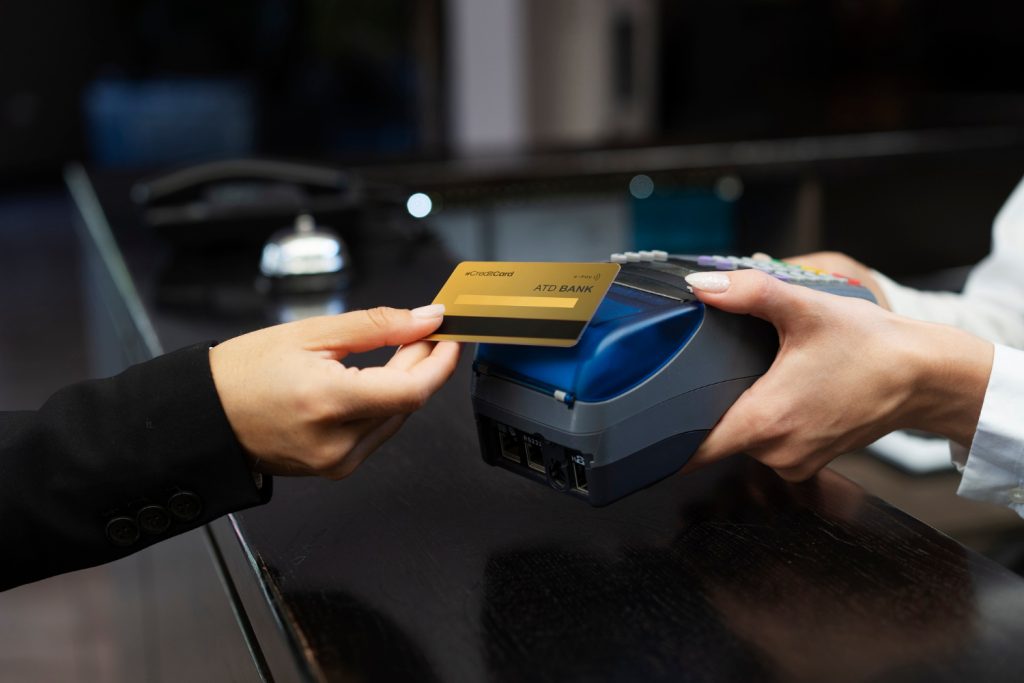
One of the strongest security features is dynamic cryptographic authentication. Every contactless payment generates a unique transaction code that is valid only for that specific purchase. Even if a criminal somehow captures the transmitted data, it cannot be reused for future transactions because the authentication code immediately becomes invalid after completion.
Encryption provides another important layer of protection. Sensitive information exchanged during contactless payments is encrypted before transmission, making intercepted data extremely difficult to interpret or exploit. Financial institutions continuously update encryption standards to address emerging cybersecurity threats.
Many banks also implement tokenization for digital wallet transactions linked to contactless debit cards. Instead of transmitting the actual card number, the payment system sends a temporary digital token representing the account. Since the merchant never receives the genuine card details, large-scale data breaches become less valuable to cybercriminals.
Contactless cards also reduce physical wear on payment cards. Frequent insertion into ATMs or payment terminals can damage chips or magnetic stripes over time, sometimes requiring customers to rely on less secure fallback methods. Tap-to-pay functionality minimizes physical contact, helping preserve card integrity and reducing dependence on vulnerable technologies.
Another indirect benefit involves customer behavior. Individuals who regularly use contactless payments often visit ATMs less frequently because they make more purchases electronically. Reduced ATM usage naturally decreases exposure to skimming devices, fake keypads, hidden cameras, and card trapping mechanisms.
Many banks establish transaction limits for contactless purchases. Smaller purchases can usually be completed without entering a PIN, while higher-value transactions require additional verification. This balanced approach provides convenience while limiting potential financial losses if a card is temporarily misplaced.
Real-time transaction monitoring further strengthens security. Artificial intelligence systems continuously analyze spending patterns, geographic locations, purchase frequency, merchant types, and transaction amounts. If unusual activity is detected, banks may temporarily block the transaction, notify the customer instantly, or request additional authentication.
Contactless technology also supports integration with biometric verification methods used in smartphones and wearable devices. Fingerprint recognition, facial recognition, or secure device authentication adds another barrier that criminals must overcome before completing unauthorized transactions.
Importantly, contactless cards never broadcast personal information continuously. The communication occurs only when the card is intentionally brought very close to a certified payment terminal, reducing opportunities for unauthorized remote scanning.
These combined security features create multiple independent layers of protection, making successful fraud considerably more difficult compared with traditional payment methods.
Additional Banking Technologies That Strengthen Contactless Card Security
While contactless technology itself provides significant protection, modern banking security relies on an entire ecosystem of complementary technologies working together. Financial institutions continuously invest in advanced fraud prevention systems that enhance the effectiveness of contactless debit cards.
Artificial intelligence has become one of the most valuable tools for fraud detection. Machine learning algorithms analyze billions of transactions to identify patterns associated with fraudulent activity. These systems learn customer spending habits over time, allowing them to detect unusual purchases within seconds. Suspicious transactions may trigger automatic alerts or temporary account restrictions until customer verification is completed.
Behavioral analytics further improves fraud prevention by studying how customers typically interact with banking services. Variables such as transaction timing, device characteristics, typing speed, purchase locations, and merchant preferences help establish a behavioral profile. Significant deviations from normal patterns may indicate unauthorized account access.
Geolocation monitoring adds another security layer. If a debit card appears to be used simultaneously in two distant locations, banking systems recognize the impossibility and investigate the transactions immediately. Such automated detection reduces financial losses before they escalate.
Mobile banking applications provide customers with instant transaction notifications. Every purchase generates an immediate alert, allowing users to recognize unauthorized activity quickly. Rapid reporting enables banks to freeze compromised cards before criminals complete additional transactions.
Card management features have also improved considerably. Many banking applications allow customers to temporarily lock or unlock debit cards, control international transactions, restrict ATM withdrawals, or disable contactless payments entirely if desired. These user-controlled settings provide additional flexibility without requiring bank assistance.
Two-factor authentication strengthens account security by requiring a second verification step beyond card possession. Even if criminals somehow obtain card information, they often cannot complete sensitive transactions without access to the customer’s registered mobile device or authentication application.
Cloud-based fraud detection platforms allow banks to share anonymized threat intelligence across institutions. When one bank identifies emerging fraud techniques, protective measures can be implemented throughout the financial industry much faster than in previous years.
Regular software updates remain essential for maintaining secure payment infrastructure. Payment terminals, ATM systems, banking applications, and backend processing platforms receive continuous security improvements that address newly discovered vulnerabilities before criminals can exploit them.
Consumer education also plays a critical role. Banks increasingly teach customers how to identify suspicious ATM devices, protect their PIN, recognize phishing attempts, and monitor account activity regularly. Even the most advanced technology cannot fully compensate for poor security practices.
Regulatory compliance further enhances banking security by requiring financial institutions to maintain strict cybersecurity standards, perform regular security audits, and implement robust customer protection measures. These regulations encourage continuous improvement throughout the financial sector.
Together, these technologies transform contactless debit cards from a simple payment method into one component of a sophisticated, multi-layered fraud prevention strategy.
Conclusion
Contactless debit cards have become a major advancement in banking security by reducing many of the vulnerabilities associated with traditional payment methods and ATM usage. Their combination of encrypted communication, dynamic authentication, limited transmission range, and secure transaction processing makes it far more difficult for criminals to steal reusable financial information. While no payment system can completely eliminate fraud, contactless technology substantially lowers the likelihood of successful attacks compared with older magnetic stripe transactions.
The benefits extend beyond the technology embedded inside the card itself. Customers who increasingly rely on contactless payments often reduce their dependence on ATMs, naturally limiting exposure to skimming devices, hidden cameras, card trapping equipment, and other physical fraud techniques. At the same time, financial institutions strengthen these protections through artificial intelligence, real-time monitoring, biometric authentication, tokenization, behavioral analytics, mobile alerts, and advanced cybersecurity infrastructure.
Consumer awareness remains equally important. Responsible banking habits, including regularly reviewing account statements, protecting PINs, avoiding suspicious ATMs, enabling transaction notifications, and reporting unusual activity immediately, continue to play an essential role in preventing financial losses. Technology provides powerful defenses, but informed customers remain the first line of protection against fraud.
As digital banking continues to evolve, contactless debit cards will likely become even more secure through ongoing innovation. Future developments may include stronger biometric integration, enhanced cryptographic techniques, improved fraud prediction algorithms, and seamless cooperation between banks, payment networks, and cybersecurity providers. These advancements will further reduce opportunities for criminals while improving convenience for legitimate users.
Ultimately, contactless debit cards represent far more than a faster payment option. They are an important component of the modern banking security framework, helping financial institutions protect customer assets while supporting safer everyday transactions. By combining advanced technology with responsible financial practices, both banks and consumers can significantly reduce ATM fraud risks and build greater confidence in the future of electronic payments.