

Introduction
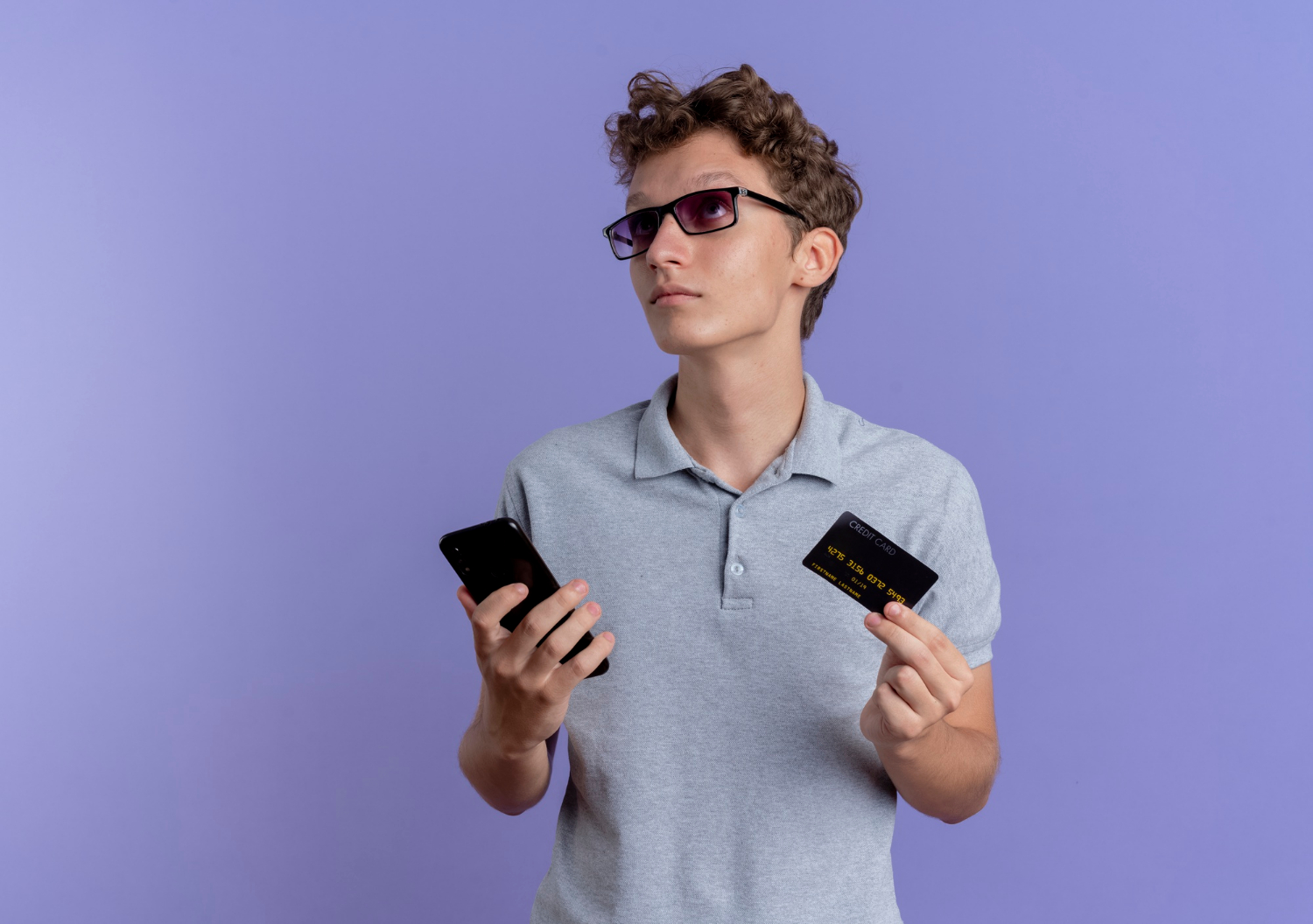
The way people pay for goods and services has changed dramatically over the past decade. Traditional banking tools such as ATM cards have been trusted for generations, allowing consumers to withdraw cash, shop in stores, and complete transactions worldwide. At the same time, smartphones have transformed into financial tools through mobile wallets, making it possible to pay with a simple tap or scan. As digital payments continue to grow across the United States and many other countries, consumers are increasingly asking an important question: Which is more secure—mobile wallets or ATM cards?
Security has become one of the biggest concerns in modern banking because financial fraud continues to evolve alongside technology. Criminals no longer rely only on stealing physical wallets. Instead, they use sophisticated methods such as phishing attacks, malware, card skimming devices, identity theft, and social engineering to target consumers. Banks, payment networks, and technology companies have responded by introducing stronger security features designed to protect sensitive financial information.
ATM cards have benefited from years of security improvements, including EMV chip technology, PIN verification, transaction alerts, and fraud monitoring. Despite these protections, physical cards can still be lost, stolen, copied, or used without authorization under certain circumstances. Mobile wallets, on the other hand, rely on smartphone security, biometric authentication, encrypted payment credentials, and tokenization instead of transmitting actual card numbers during purchases.
The comparison between these two payment methods is not straightforward because each offers unique strengths and faces different types of risks. Some users value the familiarity and universal acceptance of ATM cards, while others appreciate the convenience and advanced security architecture of mobile wallets. The safest option often depends on how the technology is used and whether consumers follow good cybersecurity habits.
This article explores the security differences between mobile wallets and ATM cards by examining how they work, the protection features they offer, the threats they face, and practical ways consumers can reduce financial risk in today’s increasingly digital economy.
Understanding the Security Features of Mobile Wallets and ATM Cards
To determine which payment method offers stronger protection, it is essential to understand how each system secures transactions.
An ATM card is directly connected to a customer’s checking or savings account. Modern cards contain an embedded EMV chip that creates a unique transaction code whenever the card is used at compatible payment terminals. This dynamic authentication makes it much harder for criminals to duplicate cards compared to the older magnetic stripe technology. Most banks also require a Personal Identification Number (PIN) for ATM withdrawals and many debit transactions, adding another layer of security.
Banks continuously monitor card activity using fraud detection systems powered by artificial intelligence and machine learning. These systems analyze spending behavior, transaction locations, merchant types, and purchase amounts to identify suspicious activity. If an unusual transaction occurs, customers may receive instant notifications through mobile banking applications or text messages.
Mobile wallets function differently. Instead of exposing the actual card number during a transaction, they use a security process known as tokenization. When a user adds a debit or credit card to a mobile wallet, the original card number is replaced with a unique digital token. During payment, this token—not the real card information—is transmitted to the merchant. Even if the payment data were intercepted, it would be useless without the secure cryptographic system supporting it.
Most mobile wallets also require user authentication before completing payments. Depending on the smartphone, this may include fingerprint recognition, facial recognition, iris scanning, or a device passcode. These biometric methods significantly reduce the risk of unauthorized use because physical characteristics are much more difficult to replicate than traditional passwords.
Another major security advantage is encryption. Sensitive payment credentials stored inside the smartphone are protected using advanced encryption standards and secure hardware components such as Secure Enclave or Trusted Execution Environment chips. These isolated areas prevent applications and malware from directly accessing payment credentials.
Remote management capabilities further strengthen mobile wallet security. If a smartphone is lost or stolen, users can often locate, lock, or erase the device remotely using cloud-based services. This minimizes the chance that unauthorized individuals can access financial information.
ATM cards lack this remote disabling capability unless users immediately contact their bank to freeze or cancel the card. During the delay between losing the card and reporting it, criminals may attempt unauthorized transactions if they obtain the PIN or exploit contactless payment limits.
However, ATM cards remain highly reliable because they operate independently of smartphone batteries, software updates, operating system vulnerabilities, or internet connectivity. Even during technical failures affecting mobile devices, physical cards usually continue functioning.
Therefore, both technologies employ sophisticated security systems, but they approach payment protection using fundamentally different methods.
Comparing Security Risks and Common Fraud Techniques
Although both payment methods offer strong protections, neither is completely immune from fraud. Understanding the most common attack methods helps consumers recognize where each technology is more vulnerable.
ATM cards remain attractive targets for criminals because they are physical objects. Card skimming is one of the oldest forms of payment fraud. Criminals secretly install fake card readers over legitimate ATM slots or payment terminals to capture card information. Hidden cameras or fake keypads may also record the customer’s PIN. Once both pieces of information are obtained, counterfeit cards can be created to withdraw cash.
Lost or stolen cards represent another major concern. If a criminal gains possession of the card and knows or guesses the PIN, unauthorized ATM withdrawals become possible. Contactless cards may also allow small purchases without entering a PIN, although transaction limits reduce potential losses.
Shoulder surfing is another traditional attack where criminals observe customers entering their PIN at ATMs or retail terminals. Some attackers distract users while another individual steals the card immediately afterward.
Mail theft can also expose new or replacement ATM cards before they ever reach the intended customer. Criminals sometimes intercept mail containing financial products and attempt to activate stolen cards through identity fraud.
Mobile wallets face a different category of threats because they depend on smartphones and digital infrastructure.
Phishing attacks remain among the most common risks. Cybercriminals create fake banking websites, fraudulent emails, text messages, or customer support calls designed to trick users into revealing passwords, verification codes, or banking credentials. If successful, attackers may gain access to financial accounts regardless of whether the user relies on mobile wallets or physical cards.
Malicious applications pose another concern. Users who install software from unofficial app stores may unknowingly download malware capable of monitoring activity or stealing sensitive information. Fortunately, official app marketplaces conduct security screening that reduces this risk considerably.
Public Wi-Fi networks present additional cybersecurity challenges. Although reputable mobile wallets encrypt payment information, users who access banking applications through unsecured wireless networks may expose other personal data if they fail to use secure connections.
Device theft is another consideration. If someone steals an unlocked smartphone or discovers the device passcode, there may be opportunities to access financial applications. However, biometric authentication and remote device management substantially reduce this risk compared to traditional stolen wallets.
Social engineering attacks increasingly target both payment methods. Criminals manipulate victims into voluntarily approving fraudulent transfers, revealing authentication codes, or confirming fake transactions. Since these attacks rely on human psychology rather than technological weaknesses, neither mobile wallets nor ATM cards provide complete protection against them.
Another emerging threat involves SIM swapping. Attackers convince mobile network providers to transfer a victim’s phone number to another SIM card. If successful, they may intercept one-time authentication codes sent by text message. Banks increasingly recommend app-based authentication instead of SMS verification to reduce this vulnerability.
Overall, ATM cards are generally more exposed to physical theft and hardware-based attacks, while mobile wallets face greater risks from digital scams, compromised devices, and identity-based cybercrime.
Which Payment Method Provides Better Security for Everyday Banking?
When comparing overall security, many cybersecurity professionals believe properly configured mobile wallets provide stronger protection than traditional ATM cards for everyday retail purchases. This conclusion is based on several important security advantages.
First, tokenization ensures merchants never receive or store the actual card number. If a retailer experiences a data breach, the stolen payment token cannot easily be reused elsewhere. Physical card transactions, although protected by EMV chips, still involve transmitting card-related information during authorization.
Second, biometric authentication significantly strengthens identity verification. Fingerprints and facial recognition are far more difficult to steal or duplicate than PINs or passwords. Since most users always carry their smartphones, unauthorized access becomes much harder.
Third, smartphones often receive continuous software security updates that address newly discovered vulnerabilities. Banks also update their mobile applications regularly to improve fraud detection and enhance customer protection.
Instant transaction notifications give consumers immediate awareness of account activity. If suspicious spending occurs, users can quickly freeze their cards through banking applications before larger losses develop.
Artificial intelligence has further improved fraud detection for both payment methods. Modern banking systems analyze thousands of variables within milliseconds to identify abnormal spending patterns. If unusual behavior is detected, transactions may be declined automatically pending customer verification.
Nevertheless, ATM cards continue to provide important advantages.
Cash withdrawals remain impossible through most mobile wallets without additional technologies. Since cash is still necessary in certain situations, ATM cards remain essential banking tools.
Physical cards also function during smartphone failures. Dead batteries, damaged screens, forgotten passcodes, or software crashes can temporarily prevent mobile wallet access, whereas ATM cards remain operational under most circumstances.
Acceptance is another consideration. Although contactless payment terminals continue expanding globally, some merchants still rely on traditional card readers or cash-only systems. Rural areas and smaller businesses may not always support mobile wallet payments.
Consumers should also recognize that security depends heavily on personal behavior. Even the most advanced payment technology becomes vulnerable if users reuse weak passwords, ignore software updates, click suspicious links, or share authentication codes.
Strong financial security combines multiple protective habits:
- Enable biometric authentication whenever available.
- Use complex device passwords.
- Activate transaction alerts.
- Keep banking apps updated.
- Avoid unofficial applications.
- Monitor account activity frequently.
- Report suspicious transactions immediately.
- Lock lost devices remotely.
- Never reveal verification codes to unknown callers.
- Use trusted ATM machines located in secure environments.
Ultimately, technology alone cannot eliminate fraud. Responsible digital habits remain the strongest defense regardless of the payment method selected.
Conclusion
The comparison between mobile wallets and ATM cards demonstrates that both payment methods offer high levels of security, but they protect users in different ways. ATM cards have evolved considerably through EMV chips, PIN authentication, encryption, and advanced fraud monitoring, making them much safer than earlier generations of payment cards. However, they remain vulnerable to physical theft, skimming devices, counterfeit card fraud, and unauthorized use if lost or stolen.
Mobile wallets introduce additional layers of protection through tokenization, biometric authentication, encrypted credential storage, secure hardware components, and remote device management. Because actual card numbers are typically never shared during transactions, mobile wallets reduce the risk associated with merchant data breaches and stolen payment information. These features make them one of the most secure options available for everyday digital payments when properly configured.
Despite these advantages, no payment technology is completely immune from fraud. Cybercriminals increasingly focus on phishing, identity theft, malware, social engineering, and account takeover attacks that exploit human behavior rather than weaknesses in payment systems themselves. This means consumer awareness remains just as important as technological innovation.
For most users, the strongest financial security comes from combining both payment methods strategically. Mobile wallets are excellent for routine purchases because of their advanced authentication and privacy protections, while ATM cards remain valuable for cash access, backup payment capability, and situations where mobile payments are unavailable. Using each method appropriately allows consumers to benefit from convenience without sacrificing security.
As banking technology continues to evolve, security systems will become even more intelligent through artificial intelligence, behavioral analytics, stronger encryption, and continuous authentication. Nevertheless, the most effective protection will always involve informed users who practice safe digital habits, monitor their accounts regularly, and respond quickly to suspicious activity. By combining modern payment technology with responsible financial behavior, consumers can confidently navigate the future of digital banking while minimizing security risks.