


Introduction
Contactless payments have become one of the most transformative developments in the European financial landscape over the past decade. What was once considered a convenient alternative to cash and traditional card transactions has evolved into the preferred payment method for millions of consumers across the continent. The combination of speed, convenience, security, and technological innovation has driven widespread adoption among individuals, businesses, and financial institutions alike. As digital transformation continues to reshape consumer behavior, contactless payment systems have emerged as a central component of modern commerce.
The rapid growth of contactless transactions is closely linked to changing consumer expectations. Today’s customers increasingly value seamless experiences that save time and reduce friction during purchases. Whether buying groceries, commuting on public transportation, dining at restaurants, or shopping in retail stores, consumers are choosing payment methods that offer efficiency and simplicity. Contactless cards, mobile wallets, wearable devices, and digital banking applications have all contributed to the expansion of this ecosystem.
Europe has become a global leader in contactless payment adoption due to strong financial infrastructure, supportive regulations, widespread card penetration, and high levels of consumer trust in electronic payment systems. Financial institutions and technology providers continue to invest heavily in innovation, ensuring that payment solutions remain secure and accessible. As a result, contactless payments are no longer viewed as a technological trend but rather as a standard feature of everyday financial activity.
The continued dominance of contactless payments reflects broader societal changes, including the movement toward cashless economies, increased digital literacy, and the growing integration of technology into daily life. These developments have created a favorable environment for further expansion, positioning Europe at the forefront of the global digital payments revolution.
Factors Driving the Growth of Contactless Payments in Europe
Several interconnected factors have contributed to the remarkable growth of contactless payments throughout Europe. One of the most significant drivers is convenience. Consumers can complete transactions within seconds simply by tapping a card or smart device against a payment terminal. This streamlined process reduces waiting times and improves the overall customer experience, making it particularly attractive in busy retail environments.
Technological advancements have also played a critical role. Payment networks, financial institutions, and technology companies have continuously improved transaction processing capabilities, enabling faster and more reliable payment experiences. The integration of Near Field Communication (NFC) technology into smartphones, smartwatches, and payment cards has made contactless functionality widely available. As more devices support these capabilities, consumer adoption naturally increases.
Another important factor is the modernization of payment infrastructure. Merchants across Europe have invested in upgraded payment terminals capable of accepting contactless transactions. Large retailers, small businesses, transportation providers, and service organizations have embraced these systems to meet evolving consumer expectations. The widespread availability of compatible terminals has eliminated many barriers that previously limited adoption.
Government initiatives and regulatory frameworks have further accelerated growth. Policymakers have encouraged innovation within the financial sector while maintaining strong consumer protections. Regulations supporting secure electronic transactions and promoting competition among payment service providers have created a healthy environment for technological advancement. These measures have increased confidence among consumers and businesses alike.
The shift toward digital lifestyles has also reinforced the popularity of contactless payments. Online banking, e-commerce, mobile applications, and digital financial services have become integral parts of daily life. Consumers who regularly interact with digital platforms are more likely to adopt modern payment methods that align with their broader technology usage patterns. This cultural transition has significantly strengthened the position of contactless payments within the European market.
Consumer Behavior and the Rise of a Cashless Culture
Consumer behavior has undergone substantial transformation as digital payment methods become increasingly embedded in everyday life. The growing preference for contactless transactions reflects changing attitudes toward convenience, security, and financial management. Many consumers now view cash as less practical compared to digital alternatives that offer greater flexibility and ease of use.
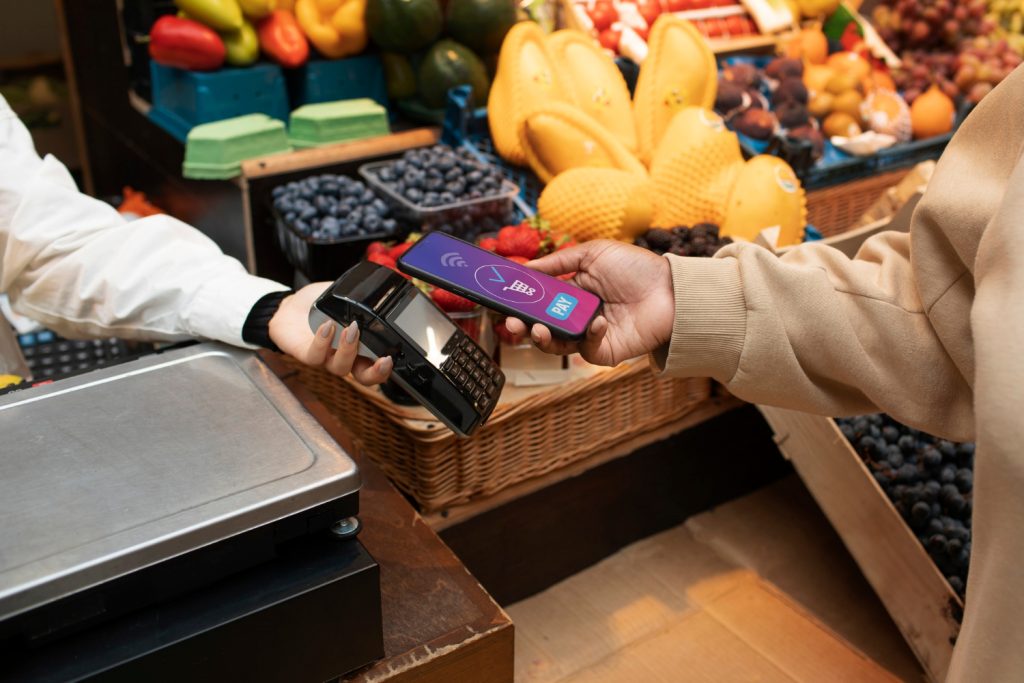
Younger generations have been particularly influential in driving adoption. Individuals who have grown up with smartphones, mobile applications, and digital services often expect payment experiences to be fast and intuitive. Contactless technology aligns perfectly with these expectations by minimizing transaction times and reducing the need for physical interaction. As these digitally native consumers represent a growing portion of the population, their preferences continue to shape market trends.
Urbanization has also contributed to the rise of contactless payments. Major European cities feature extensive public transportation networks, busy retail districts, and highly connected commercial environments where speed is highly valued. Contactless solutions enable consumers to move efficiently through daily activities without carrying large amounts of cash or waiting for lengthy payment processes.
The increasing popularity of mobile wallets has further transformed consumer habits. Smartphones now serve multiple functions beyond communication, including banking, shopping, identity verification, and payment processing. The ability to store payment credentials securely within a mobile device provides users with a convenient and centralized financial tool. Wearable technology such as smartwatches has expanded these capabilities even further, allowing transactions to be completed with minimal effort.
Consumer trust remains a crucial element of this transition. Financial institutions have invested extensively in educating users about security features and fraud prevention measures. As consumers gain confidence in digital payment systems, concerns about technology adoption decrease. This trust has encouraged broader participation across different age groups and demographic segments, helping contactless payments become a mainstream financial solution rather than a niche innovation.
The emergence of a cashless culture does not necessarily mean the complete disappearance of physical currency. However, it does indicate a growing preference for digital alternatives whenever possible. As contactless payments become increasingly integrated into everyday transactions, consumers are developing new financial habits that prioritize efficiency, accessibility, and convenience.
Benefits and Challenges of Contactless Payment Dominance
The dominance of contactless payments offers numerous advantages for consumers, businesses, and the broader economy. One of the most obvious benefits is transaction speed. Faster payment processing improves customer satisfaction and enhances operational efficiency for merchants. Retailers can serve more customers within shorter periods, reducing congestion and improving overall service quality.
Security is another major advantage. Modern contactless payment systems incorporate sophisticated encryption technologies, tokenization processes, and authentication mechanisms designed to protect sensitive financial information. These security measures help reduce the risk of fraud while maintaining a seamless user experience. Continuous improvements in cybersecurity further strengthen consumer confidence in digital payment systems.
For businesses, contactless payments can support improved financial management and operational transparency. Digital transaction records simplify accounting processes, facilitate data analysis, and provide valuable insights into customer behavior. These benefits enable businesses to make more informed decisions and optimize their operations based on transaction trends.
Financial inclusion may also improve through expanded access to digital payment services. As banking institutions and fintech companies develop innovative solutions, individuals gain access to a broader range of financial tools and services. This can support economic participation and create opportunities for underserved populations to engage with the formal financial system.
Despite these advantages, several challenges remain. Cybersecurity threats continue to evolve, requiring ongoing investment in security infrastructure and risk management strategies. Financial institutions must remain vigilant in identifying vulnerabilities and responding to emerging threats. Maintaining consumer trust depends on the ability to protect sensitive information and prevent unauthorized transactions.
Digital exclusion presents another concern. Not all individuals possess the necessary technology, internet connectivity, or digital skills required to fully participate in a contactless payment ecosystem. Policymakers and industry stakeholders must address these disparities to ensure that technological progress does not create new forms of inequality.
Privacy considerations also remain important. As digital transactions generate large amounts of data, consumers increasingly seek transparency regarding how their information is collected, stored, and utilized. Organizations must balance innovation with responsible data governance practices to maintain public confidence.
Infrastructure resilience represents an additional challenge. Dependence on digital payment systems requires reliable networks, secure processing platforms, and uninterrupted access to technology. Any disruption can affect large numbers of consumers and businesses simultaneously. Therefore, maintaining robust and resilient infrastructure remains a priority for all stakeholders involved in the payment ecosystem.
Conclusion
Contactless payments have firmly established themselves as the dominant force within the European consumer market, reshaping how individuals and businesses conduct financial transactions. Driven by convenience, technological innovation, evolving consumer expectations, and supportive regulatory environments, these payment methods have become deeply integrated into daily life. The widespread adoption of contactless cards, mobile wallets, and wearable payment technologies demonstrates the growing demand for fast, secure, and seamless financial experiences.
Consumer behavior continues to evolve in ways that favor digital payment solutions. The rise of connected lifestyles, increasing digital literacy, and the expansion of cashless habits have created strong momentum for continued growth. Businesses have responded by investing in modern payment infrastructure, while financial institutions continue to enhance security and functionality to meet changing market needs.
Although challenges such as cybersecurity risks, digital inclusion, privacy concerns, and infrastructure resilience remain important considerations, the overall trajectory of contactless payments remains highly positive. Ongoing innovation and collaboration among industry participants will be essential in addressing these issues while supporting future growth.
Looking ahead, contactless payments are likely to become even more deeply embedded within the European economy. Emerging technologies, enhanced security features, and increasingly sophisticated digital ecosystems will continue to shape the future of commerce. As consumers seek greater convenience and flexibility, contactless payment solutions are expected to maintain their leadership position, reinforcing Europe’s role as one of the world’s most advanced and dynamic digital payment markets.