




Introduction
The United States has entered a new phase in its industrial policy as policymakers increasingly focus on rebuilding domestic manufacturing capacity. After decades of globalization, outsourcing, and reliance on overseas supply chains, the need for resilient production within national borders has become a major economic and strategic priority. Disruptions caused by global health crises, geopolitical tensions, and shipping bottlenecks have exposed vulnerabilities in critical industries ranging from semiconductors to medical supplies. In response, a new U.S. manufacturing loan program has been introduced to encourage companies to expand production facilities domestically.
This initiative is designed to provide accessible financing for manufacturers seeking to establish new plants, modernize existing operations, or relocate production back to the United States. By lowering borrowing costs and reducing financial risk, the program aims to stimulate investment in infrastructure, workforce development, and advanced manufacturing technologies. It also seeks to strengthen regional economies, create jobs, and reduce dependence on foreign suppliers for essential goods.
Unlike traditional subsidies, the loan-based structure emphasizes long-term sustainability. Businesses receiving funding are expected to demonstrate viability, competitiveness, and measurable contributions to domestic production. The program also aligns with broader economic goals such as innovation, energy efficiency, and supply chain security. As industries adapt to changing global dynamics, this initiative could play a pivotal role in shaping the future of American manufacturing.
The launch of the program reflects a shift toward proactive economic planning, where government support is used to catalyze private investment. Policymakers argue that targeted financial tools can help domestic manufacturers compete internationally while maintaining higher labor and environmental standards. At the same time, the program raises questions about implementation, eligibility criteria, and long-term impact. Understanding its objectives, structure, and potential outcomes is essential for businesses, workers, and communities alike.
Objectives and Key Features of the Loan Program
The primary objective of the new U.S. manufacturing loan program is to expand domestic production capacity across key industries. By offering financing options tailored to manufacturers, the initiative aims to remove barriers that often prevent companies from investing in large-scale projects. These barriers typically include high capital costs, uncertain market demand, and long payback periods. The program addresses these concerns through flexible loan terms, competitive interest rates, and extended repayment schedules.
One of the defining features of the program is its focus on strategic sectors. Priority may be given to industries considered essential for national security, economic resilience, or technological leadership. These sectors often include advanced electronics, clean energy components, pharmaceuticals, critical minerals processing, and transportation equipment. By directing funding toward these areas, policymakers hope to ensure that the United States maintains a strong domestic base for goods that are vital to modern life.
Another important aspect is support for small and mid-sized manufacturers. While large corporations often have access to capital markets, smaller firms may struggle to secure financing for expansion. The loan program aims to level the playing field by providing accessible funding to businesses that demonstrate growth potential. This approach recognizes that smaller manufacturers play a significant role in supply chains and regional economies.
The program also encourages modernization and technological adoption. Companies can use the loans to invest in automation, digital manufacturing systems, and energy-efficient equipment. These upgrades are expected to improve productivity and competitiveness, enabling domestic manufacturers to compete with lower-cost international producers. Additionally, the emphasis on advanced technologies aligns with broader goals of fostering innovation and supporting high-skilled employment.
Transparency and accountability are also central to the program’s design. Applicants are typically required to present detailed project plans, including expected job creation, production capacity, and economic impact. Periodic reporting ensures that funds are used effectively and that projects deliver measurable results. This oversight helps maintain public confidence while encouraging responsible use of government-backed financing.
Economic Impact and Job Creation Potential
One of the most anticipated outcomes of the manufacturing loan program is its potential to generate employment opportunities. Manufacturing jobs often offer competitive wages and benefits, making them attractive for workers seeking stable careers. By supporting the establishment of new production facilities, the program could create direct employment in factories as well as indirect jobs in logistics, maintenance, and supporting services.

Beyond immediate job creation, the program may contribute to long-term economic growth. Manufacturing has a multiplier effect, meaning that investment in this sector often stimulates activity in other industries. For example, increased production may lead to higher demand for raw materials, transportation services, and professional support such as engineering and consulting. This ripple effect can strengthen local economies and increase tax revenues for communities.
Regional development is another key consideration. Many areas that once relied on manufacturing have experienced economic decline following factory closures. The loan program provides an opportunity to revitalize these regions by attracting new investments. Local governments may collaborate with businesses to develop industrial parks, upgrade infrastructure, and provide workforce training. Such efforts can transform struggling communities into thriving manufacturing hubs.
The program may also enhance supply chain resilience. By encouraging domestic production, companies can reduce reliance on distant suppliers and mitigate risks associated with global disruptions. This shift can lead to more predictable delivery times and improved inventory management. In turn, businesses may operate more efficiently and reduce costs associated with delays or shortages.
However, the employment impact may vary depending on the level of automation. Modern manufacturing often relies on advanced machinery that requires fewer workers than traditional assembly lines. While this may limit the number of jobs created, it also emphasizes the need for skilled labor. Training programs and partnerships with educational institutions may become essential components of the initiative. By equipping workers with technical skills, the program can support a transition toward higher-value employment.
Challenges, Criticisms, and Implementation Considerations
Despite its potential benefits, the manufacturing loan program faces several challenges. One concern is the risk of uneven distribution of funds. Larger companies with extensive resources may be better positioned to prepare applications and meet eligibility requirements. This could limit access for smaller firms that lack administrative capacity. Ensuring fair participation may require simplified application processes and targeted outreach.
Another challenge involves balancing economic incentives with fiscal responsibility. Government-backed loans involve financial risk, particularly if projects fail or companies default. Careful evaluation of applicants is essential to minimize losses while still supporting innovative ventures. Policymakers must strike a balance between encouraging investment and protecting public funds.
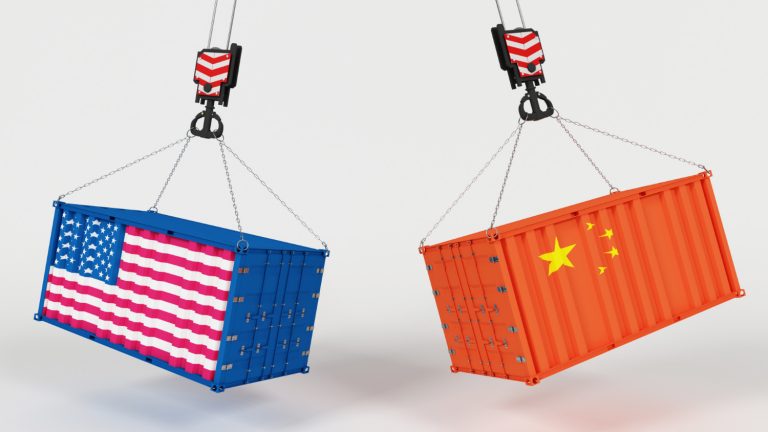
There are also debates about the program’s impact on global trade relationships. Expanding domestic production may reduce imports, potentially leading to tensions with trading partners. Some critics argue that such initiatives could encourage protectionist policies, while supporters view them as necessary for economic security. The long-term effects on international commerce will depend on how the program is implemented and whether it complements broader trade strategies.
Infrastructure readiness is another consideration. Establishing new manufacturing facilities requires reliable transportation, energy supply, and digital connectivity. In some regions, these resources may need significant upgrades. Coordination between federal, state, and local authorities will be crucial to ensure that infrastructure supports industrial expansion. Without adequate planning, projects could face delays or increased costs.
Environmental and regulatory requirements also play a role. While domestic manufacturing can reduce reliance on overseas production, it must comply with environmental standards. Companies may need to invest in pollution control, waste management, and energy-efficient processes. Although these measures can increase initial costs, they contribute to sustainable development and long-term competitiveness.
Finally, workforce availability remains a key issue. Many manufacturers report difficulty finding skilled workers, particularly in technical fields. The success of the loan program may depend on parallel efforts to expand vocational training and apprenticeship opportunities. Collaboration between industry, educational institutions, and government agencies can help address this challenge.
Conclusion
The new U.S. manufacturing loan program represents a significant step toward strengthening domestic production and enhancing economic resilience. By providing accessible financing, the initiative aims to encourage businesses to invest in facilities, technology, and workforce development within the United States. The potential benefits include job creation, regional revitalization, and improved supply chain stability.
At the same time, the program’s success will depend on effective implementation and careful oversight. Ensuring equitable access, managing financial risk, and addressing infrastructure and workforce challenges are critical considerations. Policymakers must also balance domestic priorities with international trade dynamics to maintain healthy economic relationships.
If executed thoughtfully, the loan program could contribute to a more balanced and sustainable manufacturing landscape. By fostering innovation and supporting strategic industries, it may help the United States maintain competitiveness in a rapidly evolving global economy. The initiative reflects a broader recognition that domestic production capacity is not only an economic asset but also a cornerstone of national resilience.