


Introduction
The global economy is once again facing pressure from rising oil prices, prompting governments around the world to prepare emergency economic and energy measures. Oil is one of the most critical commodities in modern economies because it fuels transportation, industry, agriculture, and electricity generation. When oil prices surge sharply, the effects ripple through supply chains, raising production costs and pushing inflation higher. In recent months, tightening global supply, geopolitical tensions, production cuts by major exporters, and growing energy demand have contributed to a steady climb in oil prices.
For many countries—especially those heavily dependent on imported energy—the sudden rise in crude prices can disrupt economic stability. Governments must respond quickly to prevent fuel shortages, control inflation, protect vulnerable populations, and maintain economic growth. As a result, policymakers across the globe are exploring a range of emergency strategies, including releasing strategic oil reserves, adjusting fuel taxes, subsidizing energy costs, and encouraging alternative energy usage.
These emergency preparations highlight how sensitive the global economy remains to fluctuations in the oil market. Despite years of investment in renewable energy and energy diversification, oil continues to play a dominant role in global energy consumption. As prices climb, governments face difficult decisions: balancing fiscal responsibility, energy security, and public welfare. The current surge in oil prices has therefore triggered urgent policy discussions, emergency planning, and international cooperation.
This article explores how governments are preparing for rising oil prices, the economic risks associated with the surge, and the various policy tools being deployed to manage the crisis.
Rising Oil Prices and the Economic Shock
The recent surge in oil prices has raised alarm bells across global markets. Crude oil benchmarks have climbed significantly due to a combination of supply constraints and increasing demand. Major oil-producing countries have maintained disciplined production policies, while geopolitical tensions in key energy regions have created uncertainty about future supply. At the same time, global demand for fuel continues to recover as economies grow and travel activity increases.
Higher oil prices quickly translate into rising fuel costs for consumers and businesses. Transportation costs rise first, affecting airlines, shipping companies, trucking firms, and logistics providers. These increased expenses then filter into the prices of goods and services, contributing to broader inflation across economies.
For developing countries, the impact can be particularly severe. Many emerging economies rely heavily on imported oil and have limited fiscal space to absorb higher energy costs. Currency depreciation can further worsen the situation by making oil imports even more expensive. Governments in these countries must act quickly to stabilize domestic fuel prices while protecting economic growth.
In advanced economies, the pressure is slightly different but equally serious. Higher oil prices can slow economic recovery by reducing consumer purchasing power and increasing production costs. Industries such as manufacturing, aviation, and agriculture are especially sensitive to fuel price fluctuations.
Central banks also face challenges during periods of rising energy costs. If oil-driven inflation becomes widespread, monetary authorities may be forced to tighten interest rates to control price pressures. This can slow investment and economic expansion.
Because oil affects nearly every sector of the economy, governments cannot afford to ignore sustained price increases. Emergency planning becomes necessary to ensure energy supply stability and protect households from sudden price shocks.
Strategic Petroleum Reserves and Supply Interventions
One of the most immediate tools governments use during periods of rising oil prices is the release of strategic petroleum reserves (SPRs). Many countries maintain large stockpiles of crude oil specifically designed to handle supply disruptions or sudden price spikes. These reserves serve as a buffer that can temporarily increase market supply and stabilize prices.
Countries such as the United States, China, Japan, and several European nations hold substantial emergency oil reserves. When prices surge or supply disruptions occur, governments can release portions of these reserves into the market. The goal is to increase available supply, calm markets, and prevent panic-driven price increases.
Releasing strategic reserves is not a long-term solution, but it can provide temporary relief while markets adjust. Governments must carefully consider the timing and scale of these releases because reserves are meant to be used primarily during severe energy crises.
In addition to releasing reserves, some governments are negotiating directly with oil-producing countries to secure additional supply. Diplomatic engagement with major producers has become increasingly important during periods of tight global supply. Governments may seek temporary production increases or negotiate long-term supply agreements to stabilize domestic energy markets.
Another intervention involves encouraging domestic oil production. In countries with significant energy resources, governments may offer incentives to energy companies to increase drilling activity. Regulatory restrictions may also be temporarily relaxed to accelerate production.
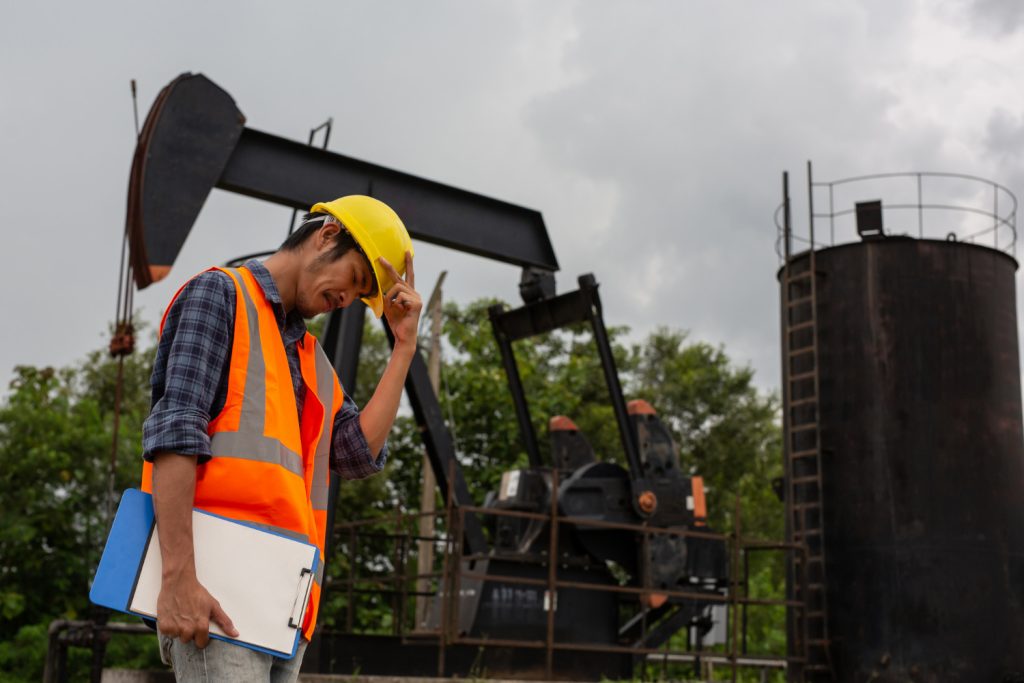
However, increasing production is not always easy. Oil exploration and drilling require significant investment and time, meaning supply responses often take months or even years to materialize. As a result, governments must rely on a combination of short-term and long-term solutions to manage rising oil prices.
Fuel Subsidies, Tax Adjustments, and Consumer Protection
As oil prices climb, governments face pressure to protect consumers from rising fuel costs. Higher gasoline and diesel prices can quickly become a political issue because they directly affect household budgets and transportation expenses.
One common emergency measure is the introduction or expansion of fuel subsidies. By subsidizing a portion of fuel costs, governments can temporarily keep retail prices lower for consumers. This helps prevent sudden spikes in transportation costs and reduces inflationary pressure across the economy.
However, fuel subsidies come with significant fiscal costs. Governments must allocate large amounts of public funds to maintain subsidies, which can strain national budgets. In some cases, prolonged subsidies may lead to unsustainable fiscal deficits.
Another policy tool involves reducing fuel taxes. Many countries impose substantial taxes on gasoline and diesel as a source of government revenue. During periods of rising oil prices, governments may temporarily reduce or suspend these taxes to lower pump prices for consumers.
Tax reductions can provide immediate relief without requiring large direct subsidies. However, they also reduce government revenue, potentially limiting funding for public services and infrastructure projects.
Targeted assistance programs are another approach. Instead of subsidizing fuel for everyone, governments may provide financial support to vulnerable groups such as low-income households, farmers, or public transportation operators. This approach helps reduce fiscal costs while still protecting those most affected by rising fuel prices.
Some governments are also implementing price caps or regulatory controls to limit how quickly fuel prices can increase. While such measures can protect consumers in the short term, they may create supply distortions if fuel retailers or suppliers cannot operate profitably under strict price limits.
Balancing consumer protection with economic sustainability is one of the most challenging aspects of managing rising oil prices.
Energy Diversification and Accelerated Renewable Investments
The latest surge in oil prices has renewed global discussions about energy diversification and the transition toward renewable energy. Many governments see the current situation as a reminder of the risks associated with heavy dependence on fossil fuels.
As oil prices climb, renewable energy sources such as solar, wind, and hydroelectric power become increasingly attractive from both economic and environmental perspectives. Governments are accelerating investments in clean energy infrastructure to reduce long-term dependence on imported oil.
Electric vehicles (EVs) are another key component of this transition. Higher gasoline prices often encourage consumers to consider electric cars as a more affordable alternative for long-term transportation. Governments are supporting this shift through incentives, tax credits, and expanded charging infrastructure.
Public transportation systems are also receiving renewed attention. By investing in efficient public transit networks, governments can reduce fuel consumption while improving urban mobility. Rail systems, electric buses, and high-speed transit projects are being prioritized in many regions.
Energy efficiency programs are another important strategy. Governments are encouraging industries and households to adopt technologies that reduce fuel consumption. Energy-efficient appliances, improved building insulation, and smarter transportation systems can significantly lower national energy demand.
However, transitioning away from oil is a complex and gradual process. Fossil fuels still power much of the global economy, and replacing existing infrastructure takes time and investment. Even as renewable energy expands rapidly, oil will likely remain an important energy source for decades.
Nevertheless, rising oil prices often act as a catalyst for accelerating energy transformation. Governments increasingly view renewable energy not only as an environmental priority but also as a strategic tool for enhancing energy security.
International Cooperation and Global Energy Stability
Managing rising oil prices is not solely a domestic issue. Because oil markets are global, international cooperation plays a crucial role in maintaining stability. Governments are increasingly working together through international organizations and diplomatic channels to address energy challenges.
Multilateral institutions such as international energy alliances help coordinate responses to supply disruptions. Member countries can collaborate on releasing strategic reserves, sharing energy data, and coordinating policy responses.
Diplomatic engagement with major oil-producing nations is also critical. Governments often seek dialogue with leading energy exporters to encourage stable production levels and prevent extreme market volatility.
Trade policies may also be adjusted to ensure smooth energy flows. Some countries may temporarily reduce import tariffs or regulatory barriers to facilitate energy supply during periods of high demand.
Energy partnerships between producing and consuming nations are becoming more important as well. Long-term supply agreements, infrastructure investments, and joint energy projects help ensure stable energy access.
Another important aspect of international cooperation involves maintaining open shipping routes and protecting energy infrastructure. Oil transportation relies heavily on maritime trade routes, pipelines, and global logistics networks. Ensuring the security of these systems is essential for stable global energy supply.
While individual governments can implement domestic policies, global energy stability ultimately depends on cooperation between nations. The interconnected nature of oil markets means that disruptions in one region can quickly affect prices worldwide.
Conclusion
The recent rise in oil prices has prompted governments across the world to prepare emergency economic and energy measures. As one of the most important commodities in the global economy, oil plays a critical role in transportation, industry, and daily life. When prices surge, the effects are felt across supply chains, financial markets, and household budgets.
Governments are responding with a wide range of strategies, including releasing strategic petroleum reserves, adjusting fuel taxes, providing consumer subsidies, and accelerating investments in renewable energy. These measures are designed to stabilize energy markets, protect vulnerable populations, and maintain economic stability.
At the same time, the current situation highlights the long-term importance of energy diversification. Heavy reliance on fossil fuels leaves economies vulnerable to geopolitical tensions, supply disruptions, and price volatility. Expanding renewable energy, improving energy efficiency, and strengthening international cooperation are all critical steps toward a more resilient global energy system.
While emergency measures can help manage short-term crises, the long-term solution lies in building a more balanced and sustainable energy landscape. As governments continue to navigate the challenges of rising oil prices, their policy decisions will shape the future of global energy security and economic stability.